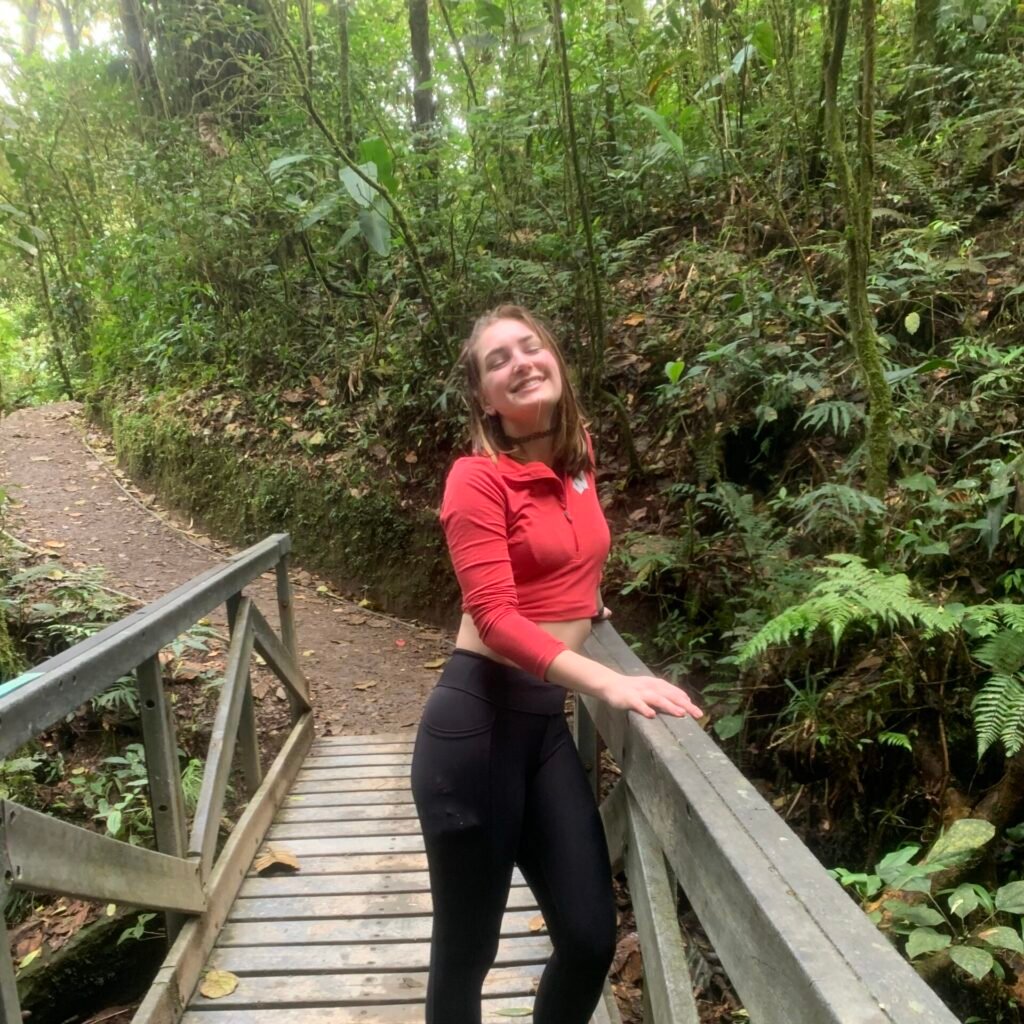
Costa Rica holds a special place in my heart. I spent about 10 years of my life here and still return regularly to visit. I was fairly young when I lived here and didn’t see much of the country back then — but now, as an adult, I make a point to explore a new region every time I come back.
Costa Rica is best known for its lush nature and incredible wildlife. From rainforests and volcanoes to coastlines and
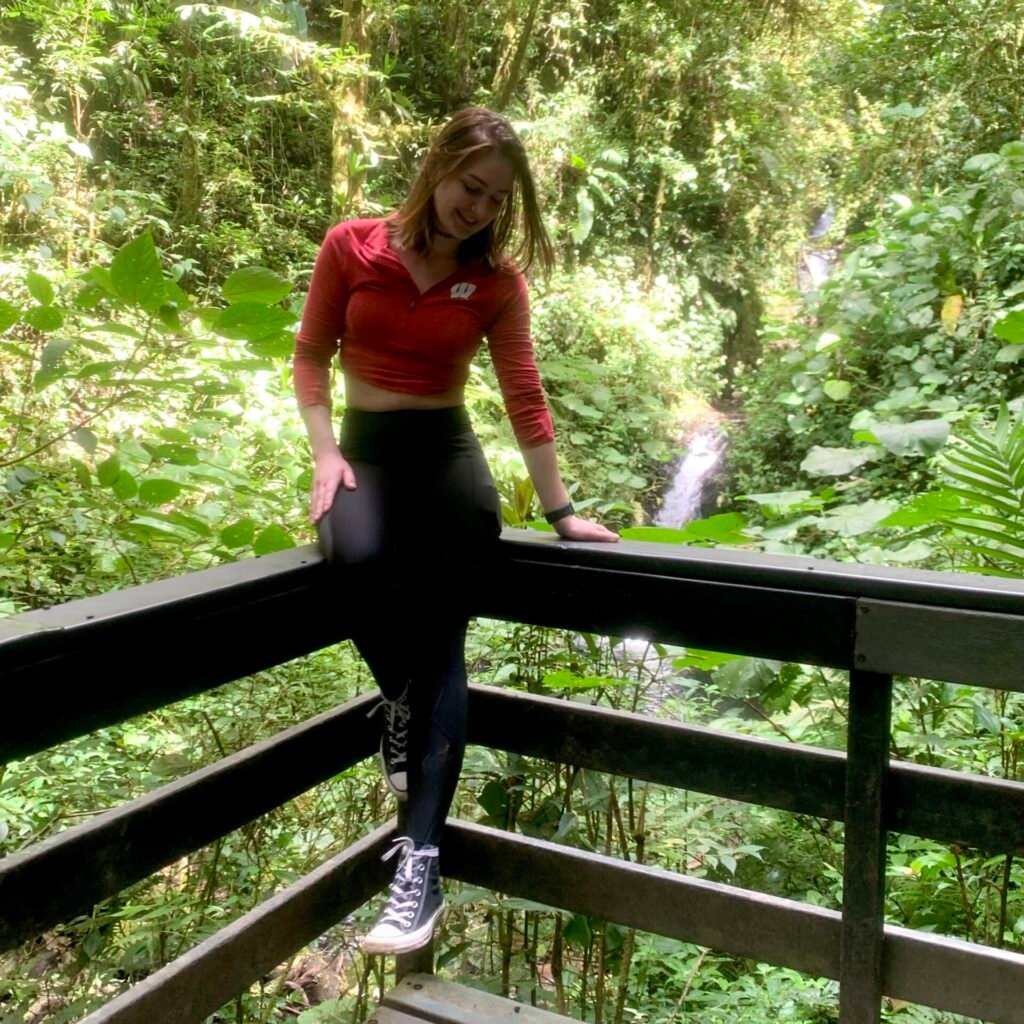
La Paz Waterfall Gardens
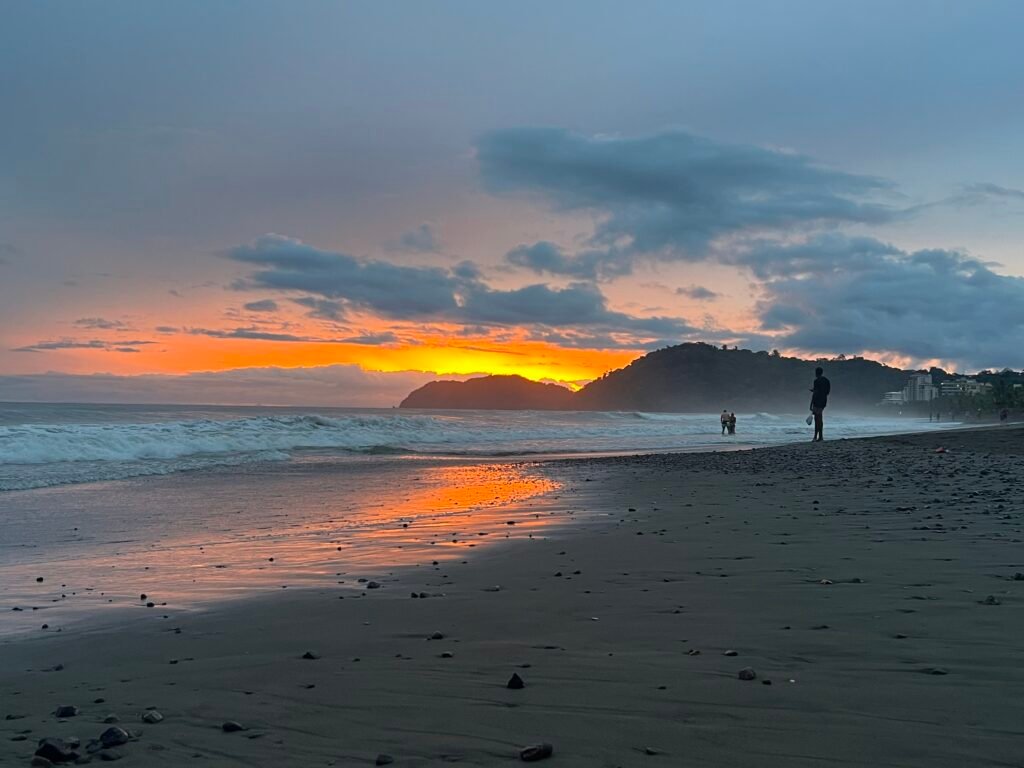
Playa Jaco
national parks, there’s a lot to love. But hot take: don’t come to Costa Rica just for the beaches. Yes, it’s a tropical destination, but if you’re expecting clear turquoise water like in Thailand or Cancun, you’ll probably be disappointed. The beaches here gained popularity for surfing — not for swimming or picture-perfect water.
Costa Rica holds a special place in my heart. I spent about 10 years of my life here and still return regularly to visit. I was fairly young when I lived here and didn’t see much of the country back then — but now, as an adult, I make a point to explore a new region every time I come back.
Costa Rica is best known for its lush nature and incredible wildlife. From rainforests and volcanoes to coastlines and national parks, there’s a lot to love. But hot take: don’t come to Costa Rica just for the beaches. Yes, it’s a tropical destination, but if you’re expecting clear turquoise water like in Thailand or Cancun, you’ll probably be disappointed. The beaches here gained popularity for surfing — not for swimming or picture-perfect water.
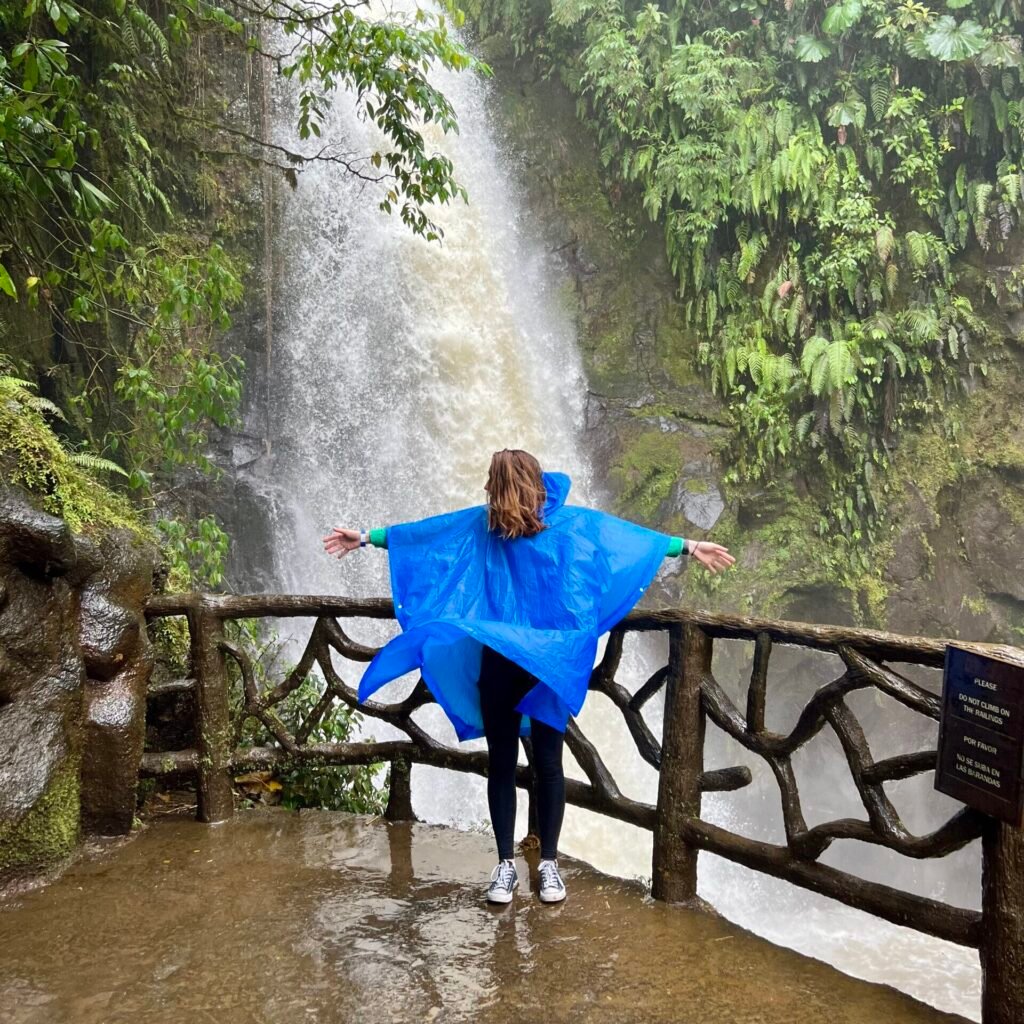
La Paz Waterfall Gardens
Playa Jaco
This itinerary reflects how I’d recommend seeing the country on a tighter schedule, but if you’re backpacking, spending at least a week in each region lets you soak up the most of what Costa Rica has to offer.
Costa Rica is no longer the budget-friendly destination it once was, especially with its rise in tourism. If you can, travel with a friend to split the cost of accommodations and car rentals.
Where To Go
San José
San José is where most people arrive — it’s the capital and your likely landing spot. While it’s not exactly a vacation highlight, I think it’s worth spending at least a day here to get a feel for local life and Costa Rican culture.
Santa Ana
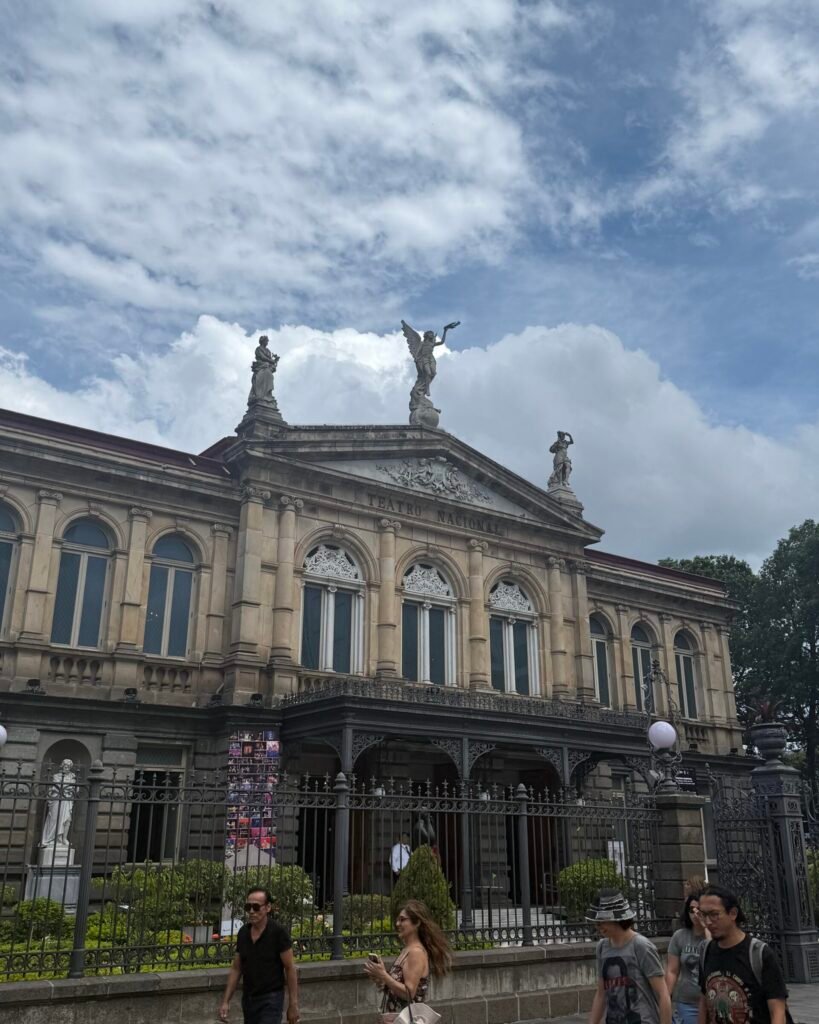
Teatro Nacional, San José
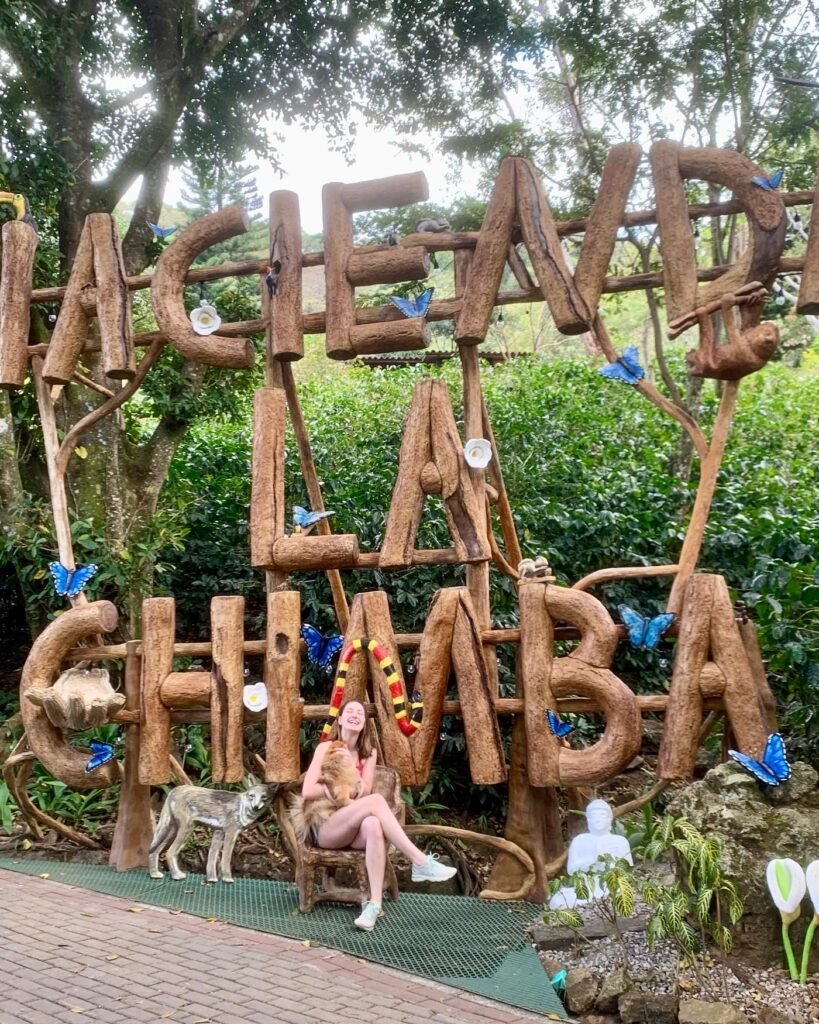
Hacienda la Chimba
Top Experiences:
Parque La Sabana – A walkable city park and Costa Rica’s version of Central Park. Not huge, but a nice spot to stroll.
Museo Nacional de Costa Rica – Good place to get historical and cultural context (especially if you like museums).
Teatro Nacional – The city’s iconic landmark. Even if you don’t see a show, stop in for a coffee and admire the architecture.
Mercado Municipal de Artesanías – My go-to for souvenirs. Great selection of handmade crafts at good prices.
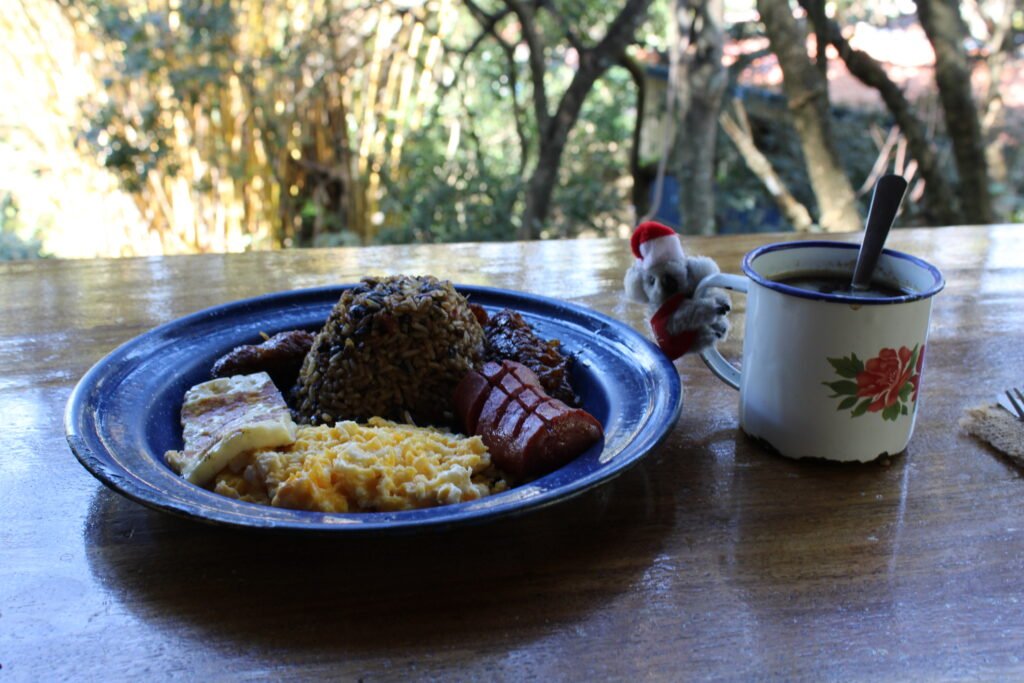
Hacienda La Chimba – A short drive outside the city, this is a great little nature hike with incredible views and some of the best traditional breakfast around.
Time Needed: 1-2 days
Poás Volcano (& La Paz Waterfalls)
Just an hour from San José, Poás makes for an easy and worthwhile day trip. Every time I return to Costa Rica, I come back here.
La Paz Waterfall Gardens
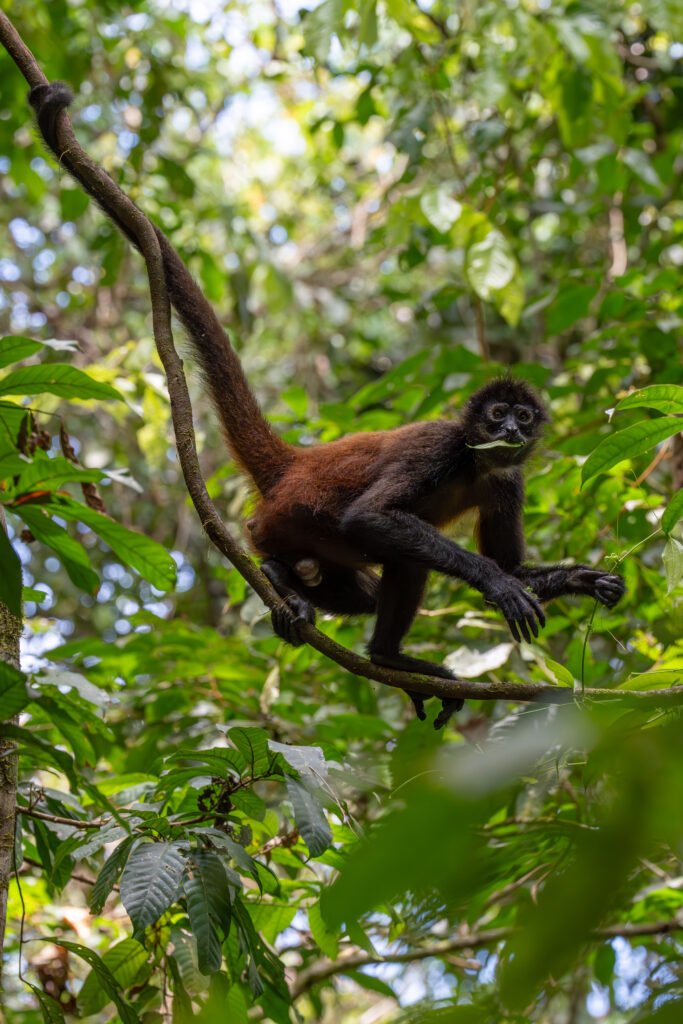
While Poás itself only has a short trail and the main crater view, the real highlight is combining it with Cataratas de la Paz (La Paz Waterfall Gardens) — a beautifully designed nature reserve with forest trails, waterfalls you can stand beneath, and wildlife exhibits (including monkeys, hummingbirds, and frogs).
Pro tip: Grab a bag of fresh strawberries from one of the roadside stands on your way down — they’re genuinely some of the best I’ve ever had.
Time Needed: 1 day
La Paz Waterfall Gardens
While Poás itself only has a short trail and the main crater view, the real highlight is combining it with Cataratas de la Paz (La Paz Waterfall Gardens) — a beautifully designed nature reserve with forest trails, waterfalls you can stand beneath, and wildlife exhibits (including monkeys, hummingbirds, and frogs).
Pro tip: Grab a bag of fresh strawberries from one of the roadside stands on your way down — they’re genuinely some of the best I’ve ever had.
Time Needed: 1 day
Tortuguero
Tortuguero is tucked into the northeast corner of the country and can only be reached by boat or plane. It’s most famous as a nesting site for sea turtles (best seen between July and October), but the area is rich with wildlife year-round.
One of the best ways to explore is by canoe or kayak through Tortuguero’s jungle canals — it’s a peaceful, intimate way to spot wildlife and take in the dense, lush surroundings.
Time Needed: 2–3 days
Pro Tip: Bring bug spray — it’s the jungle, after all.
Arenal / La Fortuna
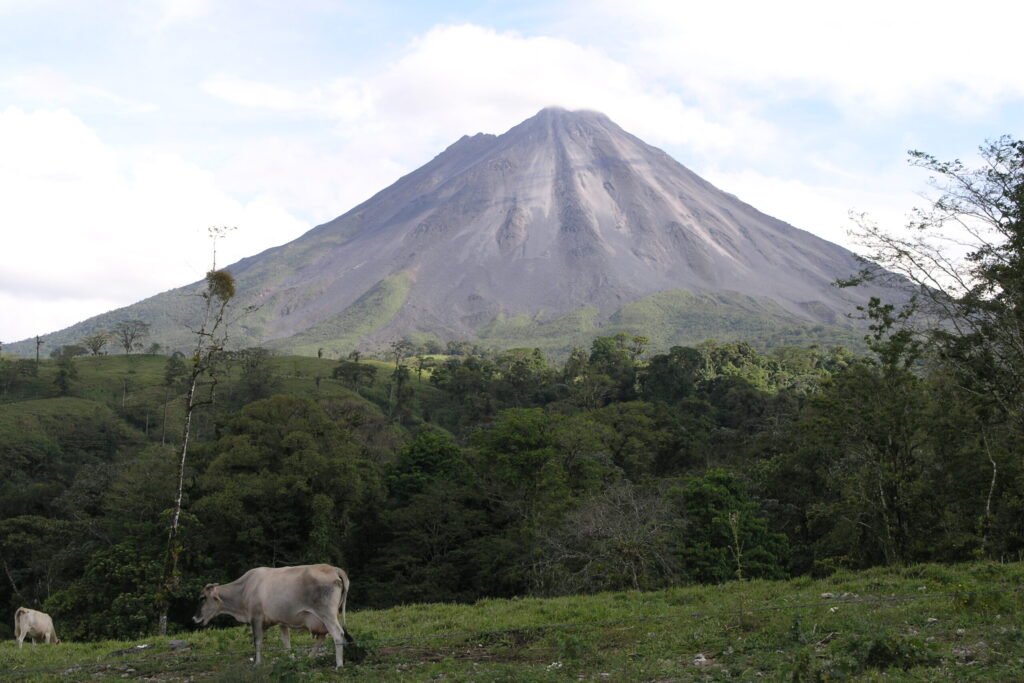
La Fortuna is Costa Rica’s adventure capital. With volcano views, thermal hot springs, and endless activities, you could easily spend a week here.
Volcán Arenal, La Fortuna
Volcán Arena
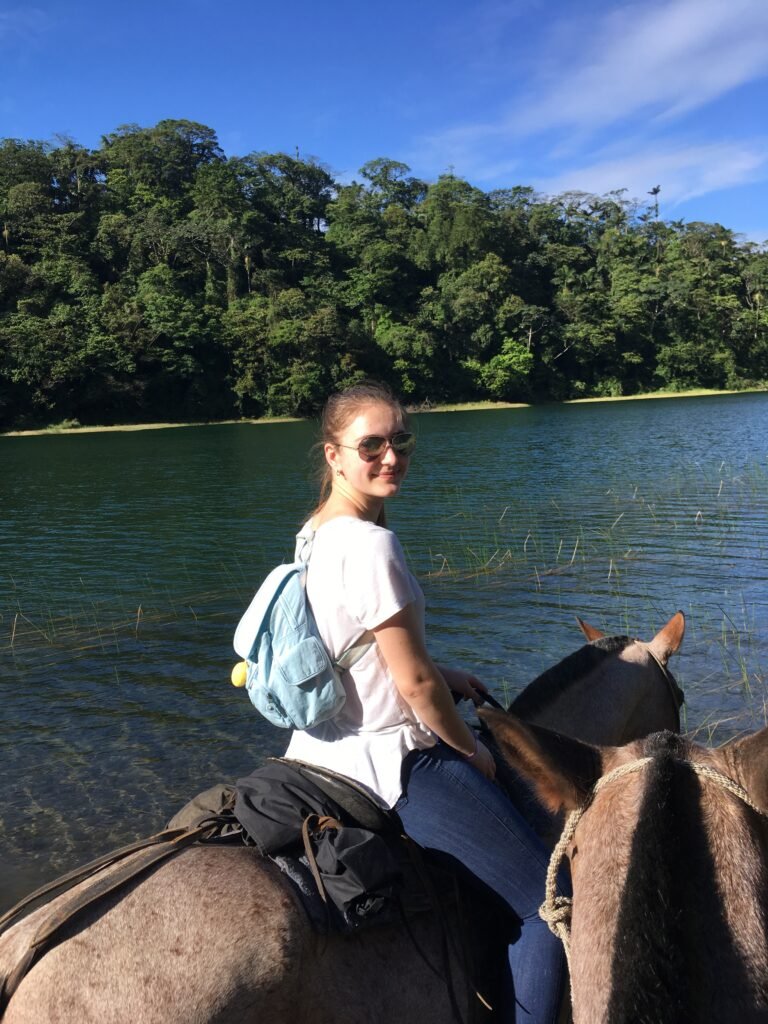
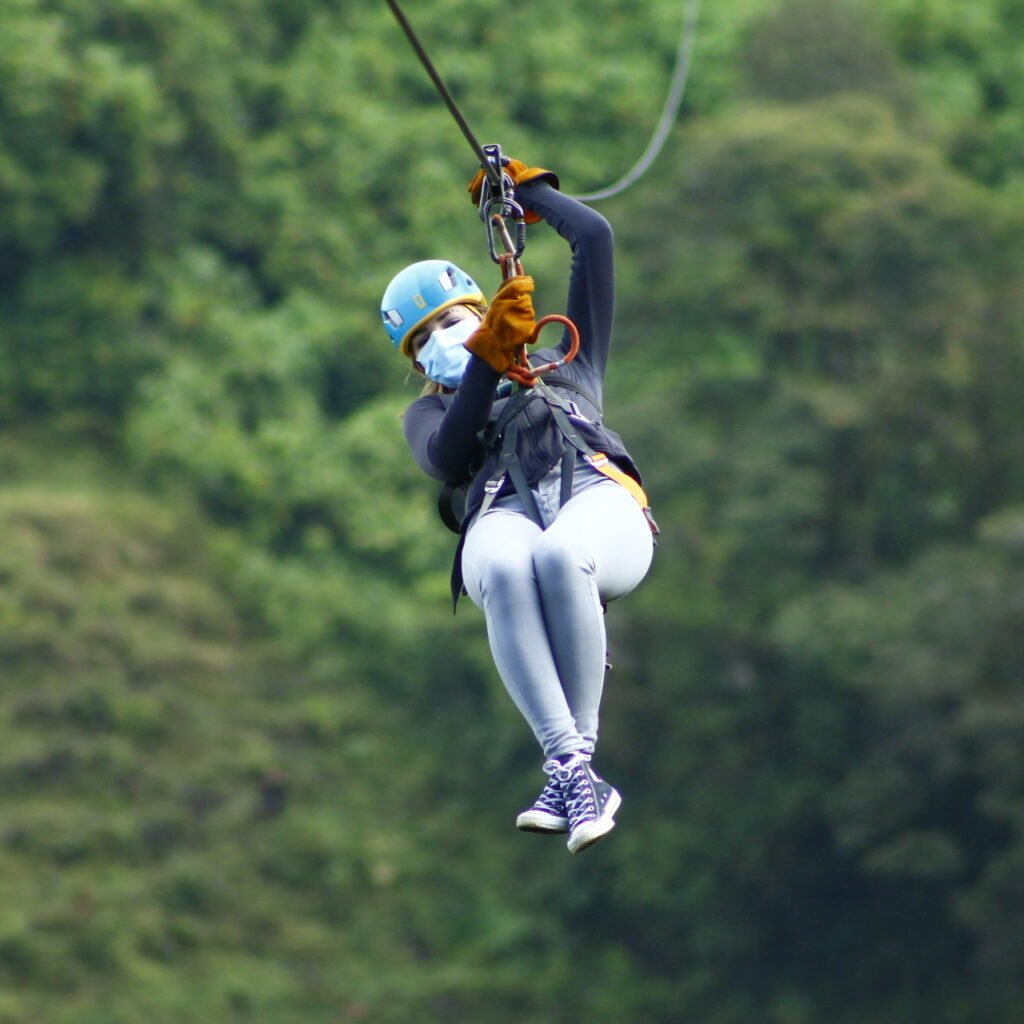
Top activities include ziplining, horseback riding, hiking to waterfalls, ATV rides, and kayaking. If I had to pick just one, I’d recommend horseback riding — it’s a unique way to explore the landscape and saves the other activities for elsewhere.
If you’re just here to relax in hot springs and enjoy the scenery, 1–2 days is enough. For every activity you want to try, add a day.
Time Needed: 2–3 days
Arenal / La Fortuna
La Fortuna is Costa Rica’s adventure capital. With volcano views, thermal hot springs, and endless activities, you could easily spend a week here.
Volcán Arenal, La Fortuna
Volcán Arena
Top activities include ziplining, horseback riding, hiking to waterfalls, ATV rides, and kayaking. If I had to pick just one, I’d recommend horseback riding — it’s a unique way to explore the landscape and saves the other activities for elsewhere.
If you’re just here to relax in hot springs and enjoy the scenery, 1–2 days is enough. For every activity you want to try, add a day.
Time Needed: 2–3 days
Monteverde
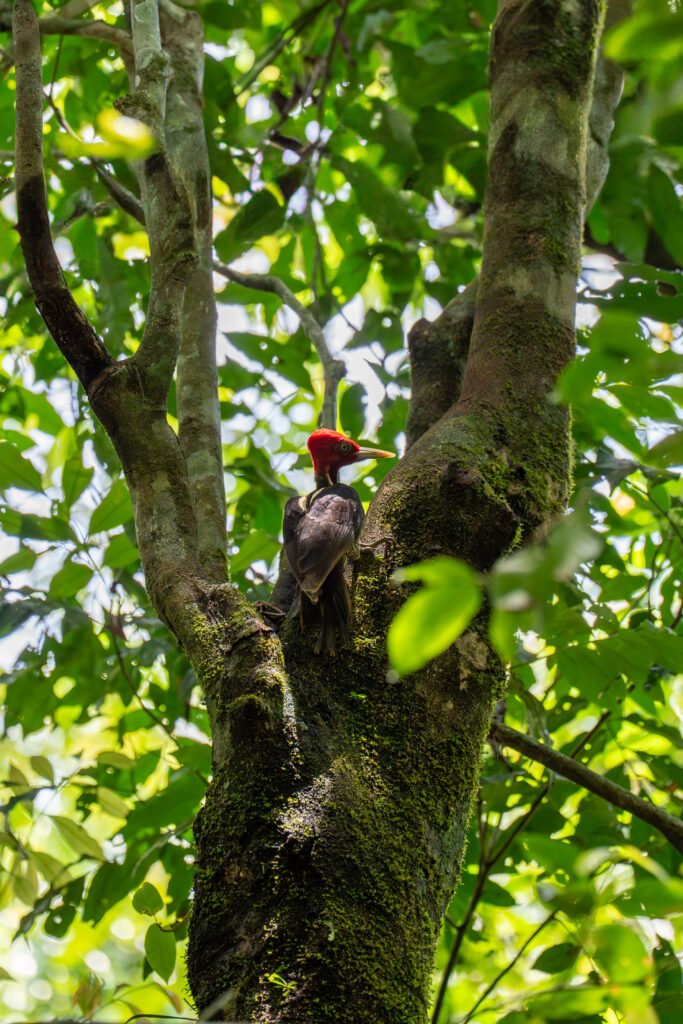
Welcome to the cloud forest. Monteverde feels like another world — cooler temps, misty mornings, and lush green trails. It’s known for wildlife, especially birdwatching and sloths.
I also think Monteverde is the best place to go ziplining in the country — Extremo Park is my favorite. You’ll also find night hikes, a frog pond, a butterfly garden, and even a local cheese factory.
Time Needed: 2–3 days
Bring Layers: It gets chilly here, especially at night.
Cloud Forest
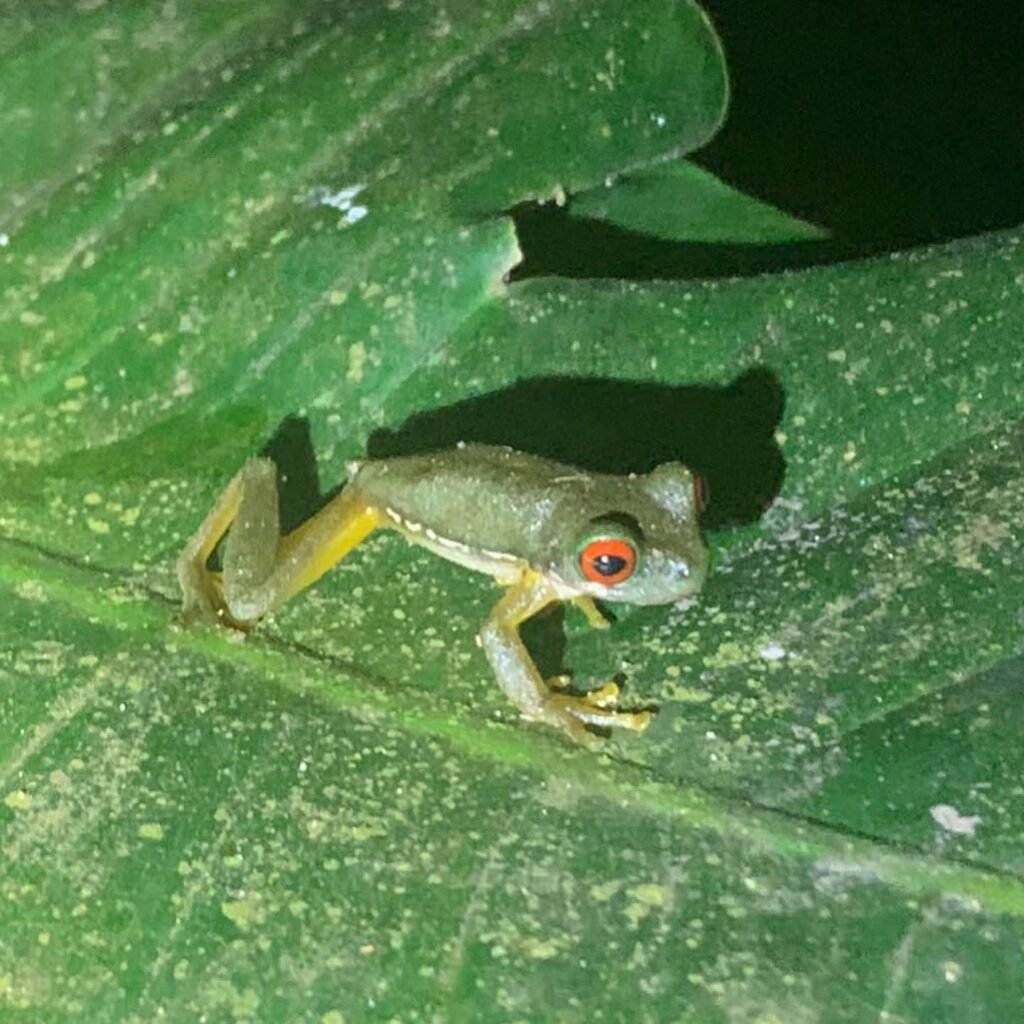
Night Walk
Cloud Forest
Extremo Park
Cloud Forest
Night Walk
Cloud Forest
Extremo Park
Santa Teresa
Although I haven’t been (yet), Santa Teresa is high on my list — and a favorite among backpackers. It’s known for its surf culture, laid-back vibe, and boho beach cafés. Perfect if you’re looking for the classic tropical escape without big resorts.
Time Needed: 2–3 days
Isla Tortuga
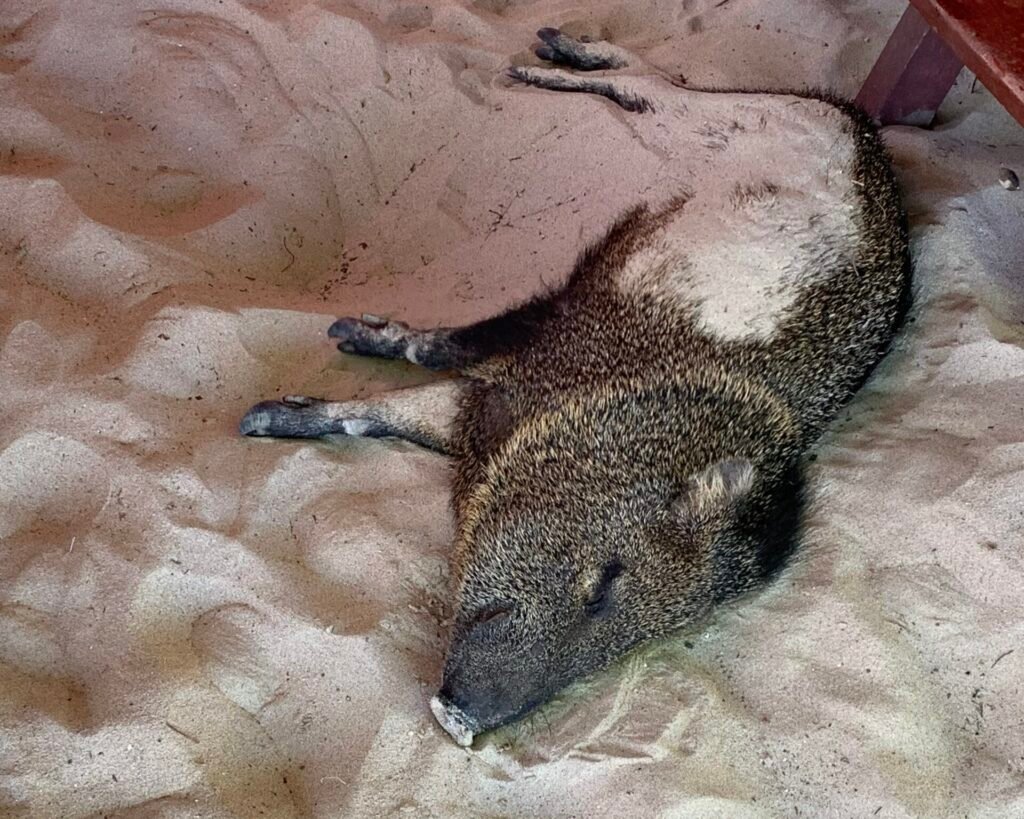
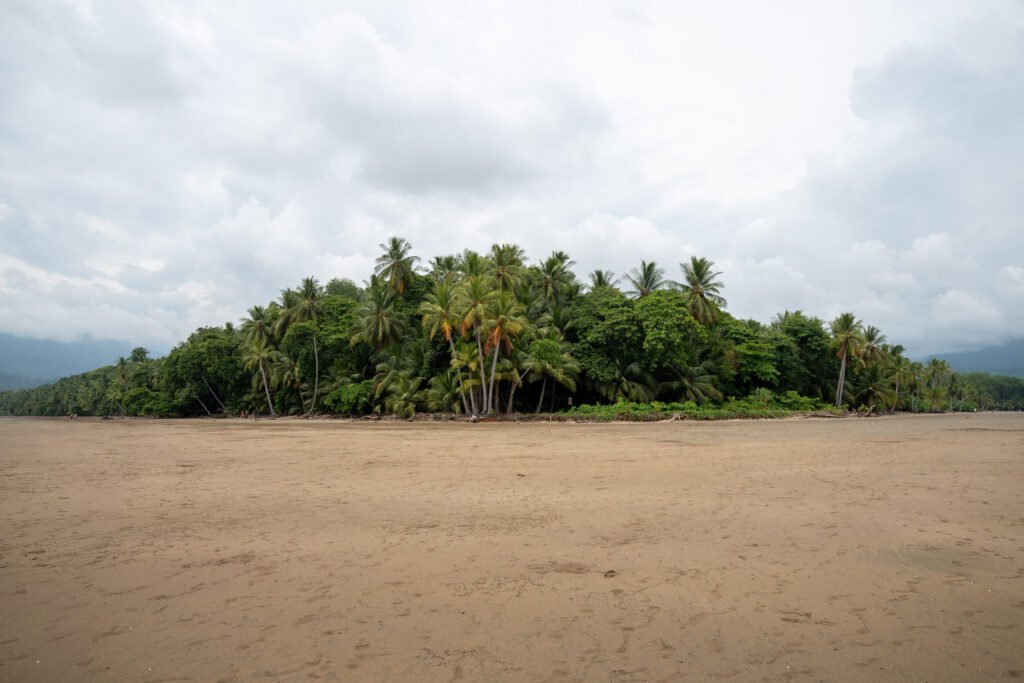
This island is one of the few places in Costa Rica where you’ll find white sand and clear blue water. It’s an easy day trip from the Nicoya Peninsula. You can snorkel, swim, or just relax on the beach (there are even beach pigs wandering around).
Time Needed: 1 day
Manuel Antonio & Uvita
Both located on the Pacific coast, these towns are perfect for beach lovers and wildlife enthusiasts.
Manuel Antonio: A compact but busy national park known for monkeys, sloths, and white-sand beaches. It gets crowded, but the views and wildlife are worth it.
Uvita: Known for its iconic whale-tail-shaped beach and as a jumping-off point for whale and dolphin watching tours (best done between December–March and July–November).
Time Needed: 1 day each
Manuel Antonio
Playa Ballena, Uvita
Corcovado (Drake Bay)
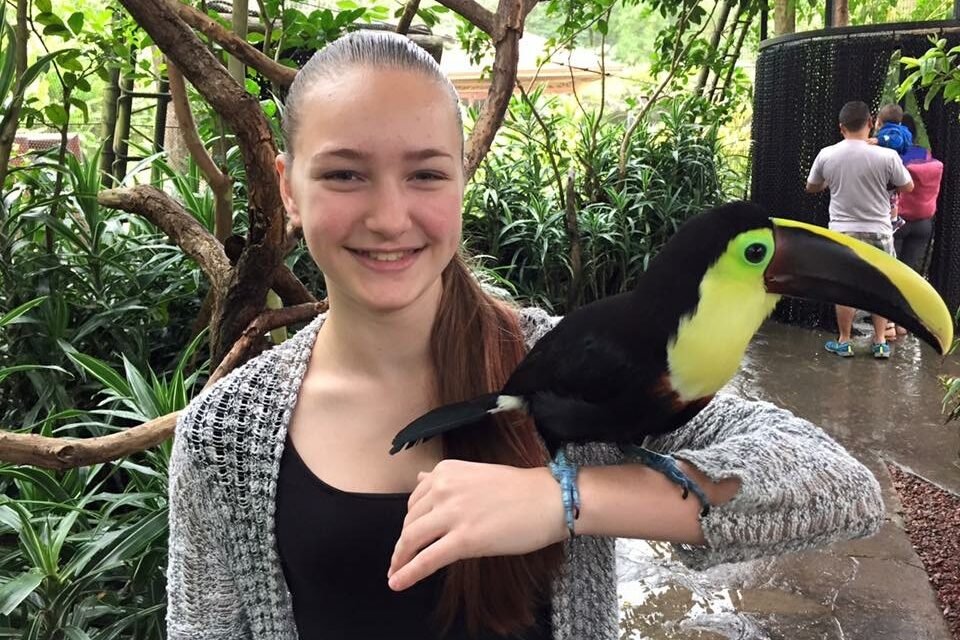
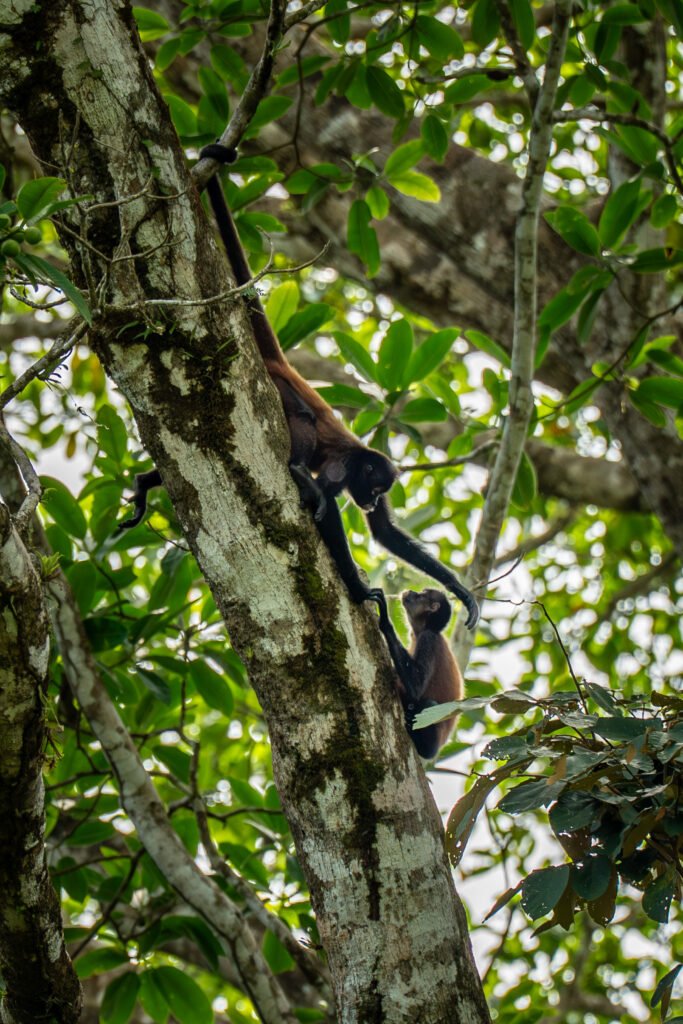
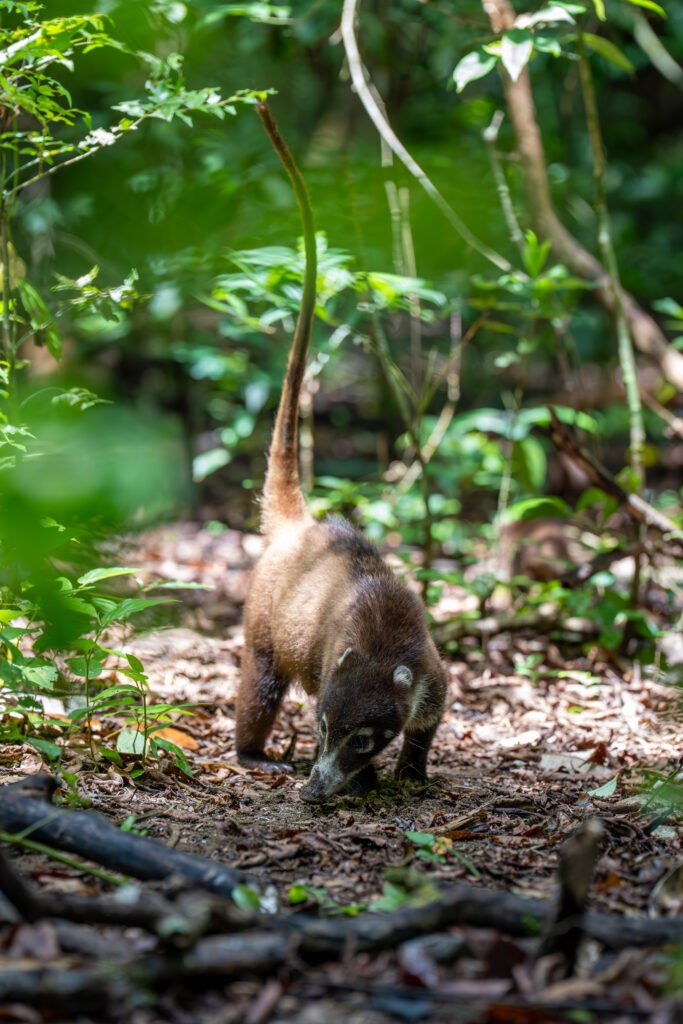
If you want real jungle, this is it. Corcovado is remote, rugged, and bursting with wildlife. It took us a car and two boats to get there, but it was so worth it. We saw whales and dolphins on the way in, and inside the park: monkeys, tapirs, bats, toucans, and even an anteater.
Time Needed: 1 day to get there, 1 full day in the park.
If you like these photos, you should check out my full gallery.
Cerro de la Muerte / San Gerardo de Dota
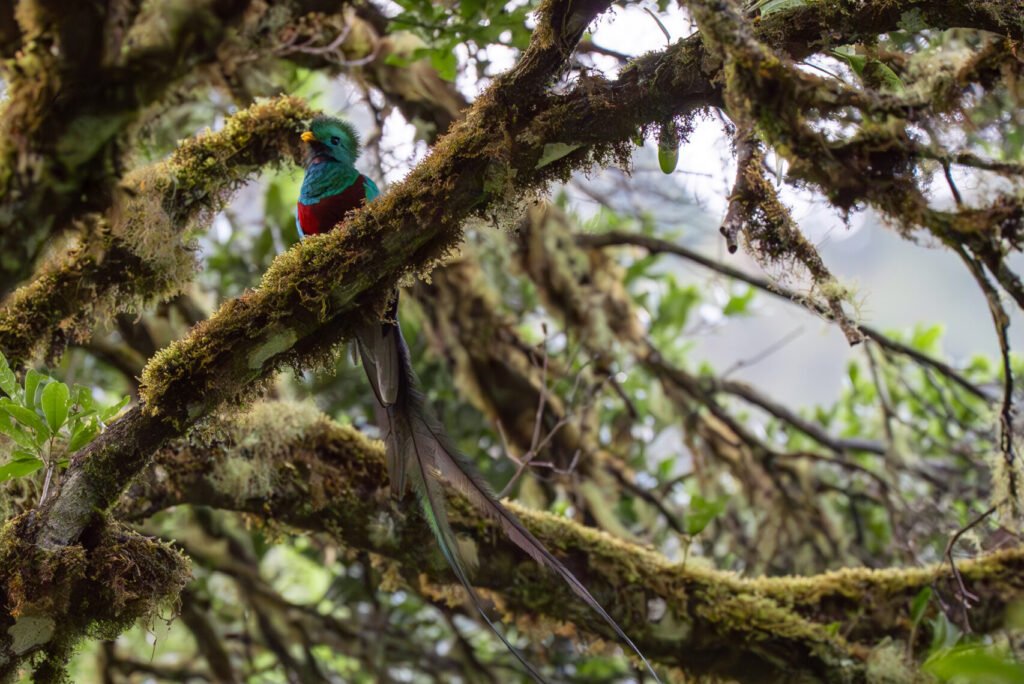
End your loop in the mountains. This peaceful highland region is all cool air, dense forest, and birdwatching — especially quetzals. Great for slowing down after the heat and humidity of the coast.
Time Needed: 1 day
Cerro de la Muerte / San Gerardo de Dota
End your loop in the mountains. This peaceful highland region is all cool air, dense forest, and birdwatching — especially quetzals. Great for slowing down after the heat and humidity of the coast.
Time Needed: 1 day
Budget & Money
Costa Rica uses the Colón (CRC). Approximate rates:
Most places accept contactless cards, but carry some cash for tips or small vendors.
A 10% service charge is often added to restaurant bills, but it’s polite to leave a little extra if it’s not included.
People & Culture
Costa Ricans (Ticos) are kind, laid-back, and non-confrontational. They’re known for being warm and welcoming — but be aware that tourist prices are often inflated and haggling isn’t as common.
Key cultural notes:
“Tico Time” means showing up 30–60 minutes late is totally normal.
A cheek kiss is the standard greeting between women and in social settings.
Locals are proud of their nature — don’t litter or disturb wildlife.
Machismo culture is common — catcalling happens, especially in cities.
Pura Vida is more than a phrase — it’s a way of life. You’ll hear it used as a greeting, a goodbye, or just to say “life’s good.”
Food Scene
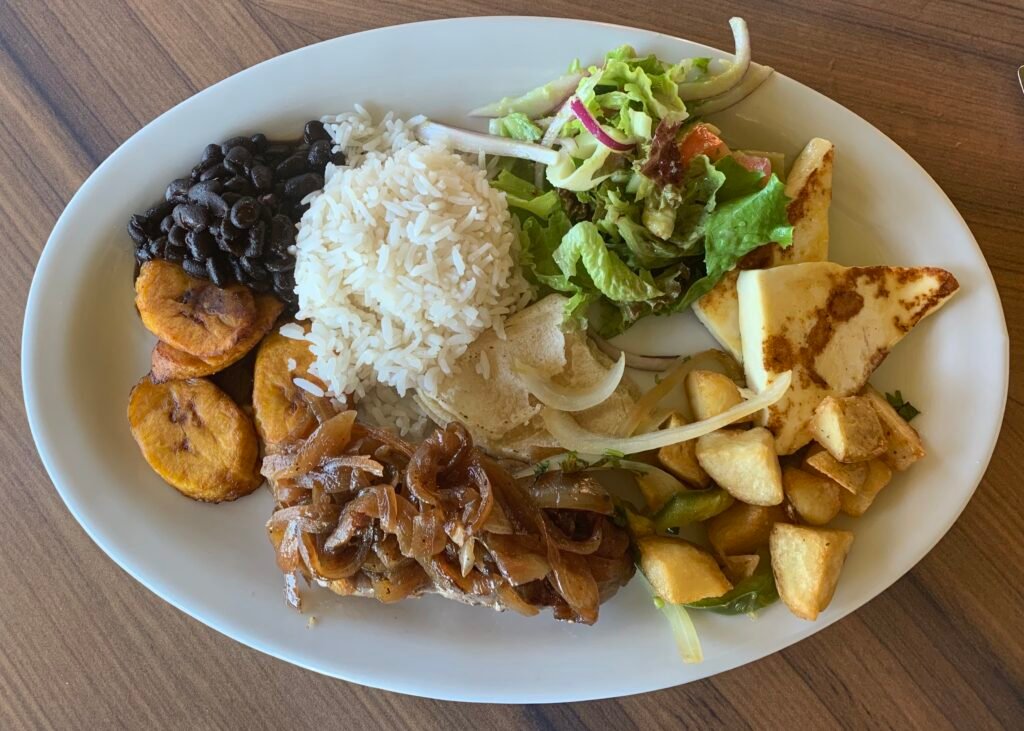
Costa Rica’s diet is simple but delicious. You’ll often hear people joke about eating rice and beans three times a day. It is often served with meat, plantains, cheese and salad.
Must-Try Dishes:
Gallo Pinto (breakfast rice & beans)
Casado (lunch/dinner rice & beans)
Ceviche
Tamales
Tres Leches
Arroz con Leche
Fruits to try: Pineapple, mangos (Orotina), strawberries (near Poás), and papaya.
Gallo Pinto at Hacienda la Chimba
Dietary Needs: Easy to manage in touristy areas, but always double-check with your server.
Must-Try Dishes:
Gallo Pinto (breakfast rice & beans)
Casado (lunch/dinner rice & beans)
Ceviche
Tamales
Tres Leches
Arroz con Leche
Fruits to try: Pineapple, mangos (especially in Orotina), strawberries (near Poás), and papaya.
Dietary Needs: Easy to manage in touristy areas, but always double-check with your server.
Hacienda la Chimba Breakfast
Transportation
Despite its size, Costa Rica is packed with places to explore. Getting around can be tricky without a car, as public transportation between towns isn’t the most reliable. If you don’t rent a car, you’ll often need to return to San José just to catch a bus to your next destination. That’s why I recommend renting a car — especially if you’re short on time.
Driving: Recommended for flexibility — use Waze (not Google Maps).
Buses: Work, but can be unreliable and require transfers in San José.
Uber: Available in cities but not legal everywhere. Use with caution. Sit in the front seat.
Walking: Safe in the day; avoid walking alone at night.
Rainy Season: May–November (lush, fewer tourists, but wet)
Temperatures:
Coasts: 27°C (80°F) by day, 19°C (66°F) by night (humid)
Mountains: Cooler — average 17°C (63°F), sometimes warmer in sun
What to Pack:
Mosquito spray
Sun Screen
Rain jacket
Hiking boots
Layers (yes, it can get cold at night and in the mountains)
Playa Flamingo, Guanacaste
Best For...
While Costa Rica isn’t the most budget-friendly destination anymore, it’s great for couples, small groups, or digital nomads who can split costs. That said, a strong backpacker scene still exists — just expect to budget quite a bit more than in Southeast Asia or other countries in Central America.
Ideal Length of Stay
A full month is perfect to experience everything without rushing. If you’re tight on time, 2 weeks is doable but expect a fast pace and fewer stops.
Quick Snapshot
Category
Info
Visa Required?
US, UK & AUS – No
Language
Spanish & English
Currency
Costa Rican Colón (CRC)
Daily Budget
₡25,000–₡50,000
Best Time to Visit
December–January
Safety Rating
7/10
Solo/Female Friendly?
Yes, with basic precautions
Scroll to Top
Newsletter
Subscribe to receive new blog posts straight to your inbox!