Planning a trip can feel like a lot. There’s the destination, the flights, the accommodation, the budget, the activities—and the endless tabs you’ll open along the way. It’s easy to feel overwhelmed before you’ve even packed your bag.
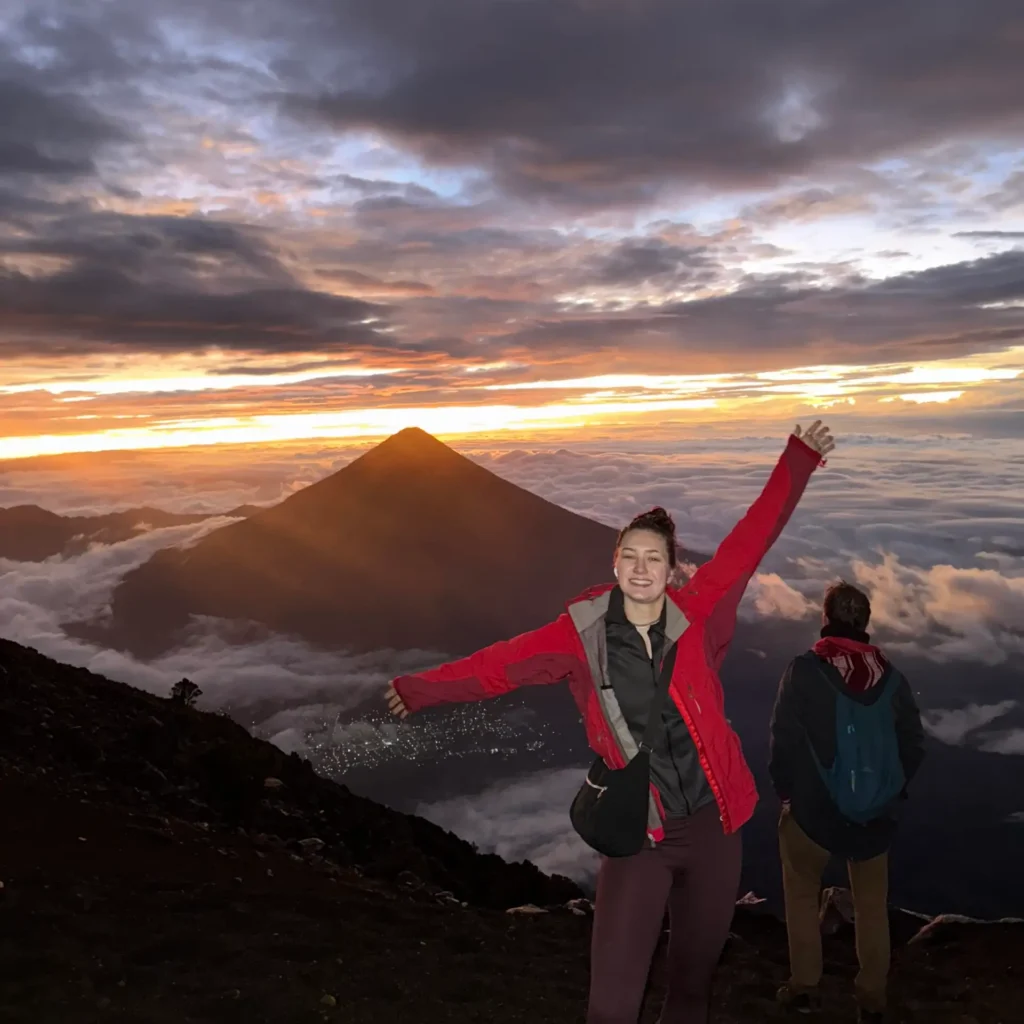
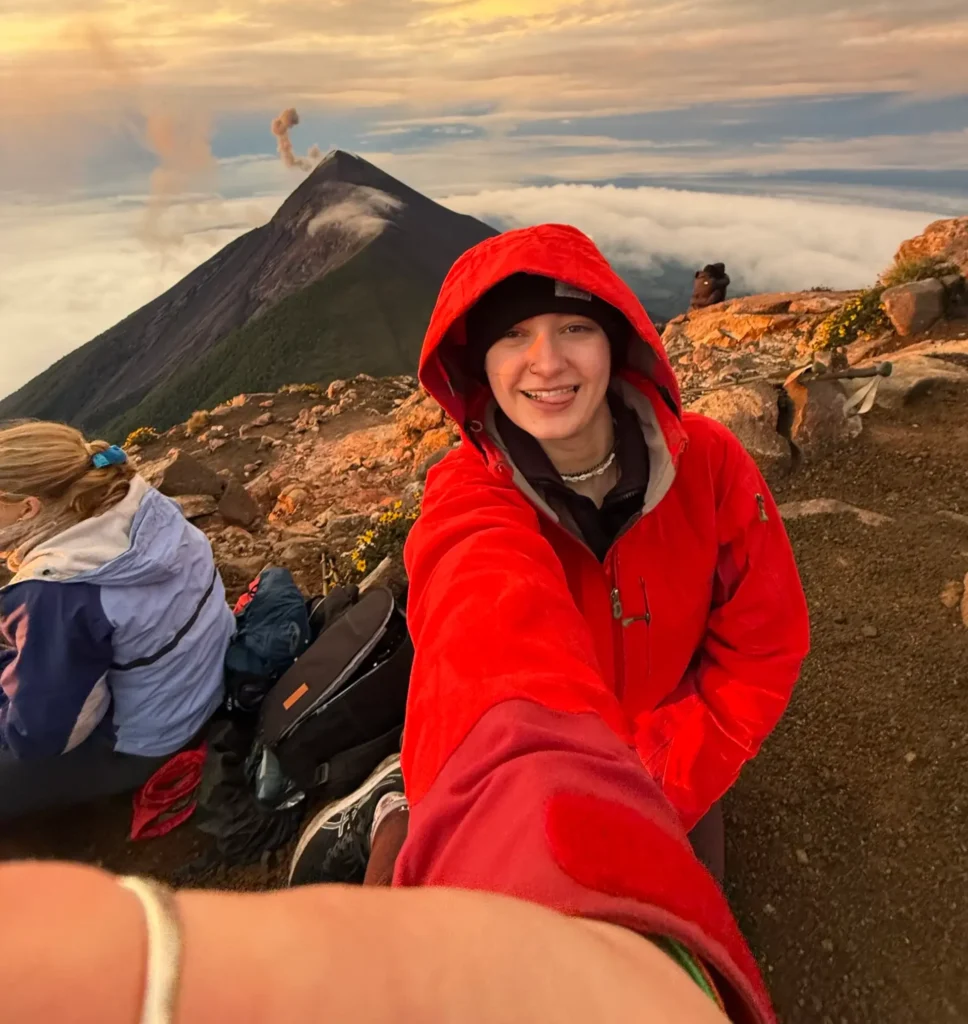
Acatenango, Guatemala
This guide breaks it all down into something simple and doable. Whether you’re planning your first backpacking adventure or your next spontaneous getaway, here’s exactly how I do it: organized chaos, heavy on Google Maps, light on rigid rules.
Planning a trip can feel like a lot. There’s the destination, the flights, the accommodation, the budget, the activities—and the endless tabs you’ll open along the way. It’s easy to feel overwhelmed before you’ve even packed your bag.
This guide breaks it all down into something simple and doable. Whether you’re planning your first backpacking adventure or your next spontaneous getaway, here’s exactly how I do it: organized chaos, heavy on Google Maps, light on rigid rules.
Acatenango, Guatemala
Step 1: Initial Inspiration & Setting an Intention
What usually inspires me to pick a destination?
The world is huge. There are thousands of places I want to see, and picking one can be the hardest part. So I don’t wait until I’m planning a trip to think about it—I build my future trip list all the time.
Whenever I come across something interesting—on TikTok, in a blog, through a friend—I pin it on Google Maps. No agenda, no timeline, just a running list of cool spots. That way, when I’m ready to plan a trip, the inspiration is already there.
How do I pick a destination?
Usually, it comes down to three things: time, budget, and season.
If I only have a few days, I stay closer to home. If I’ve got a few weeks or months, I’ll look further.
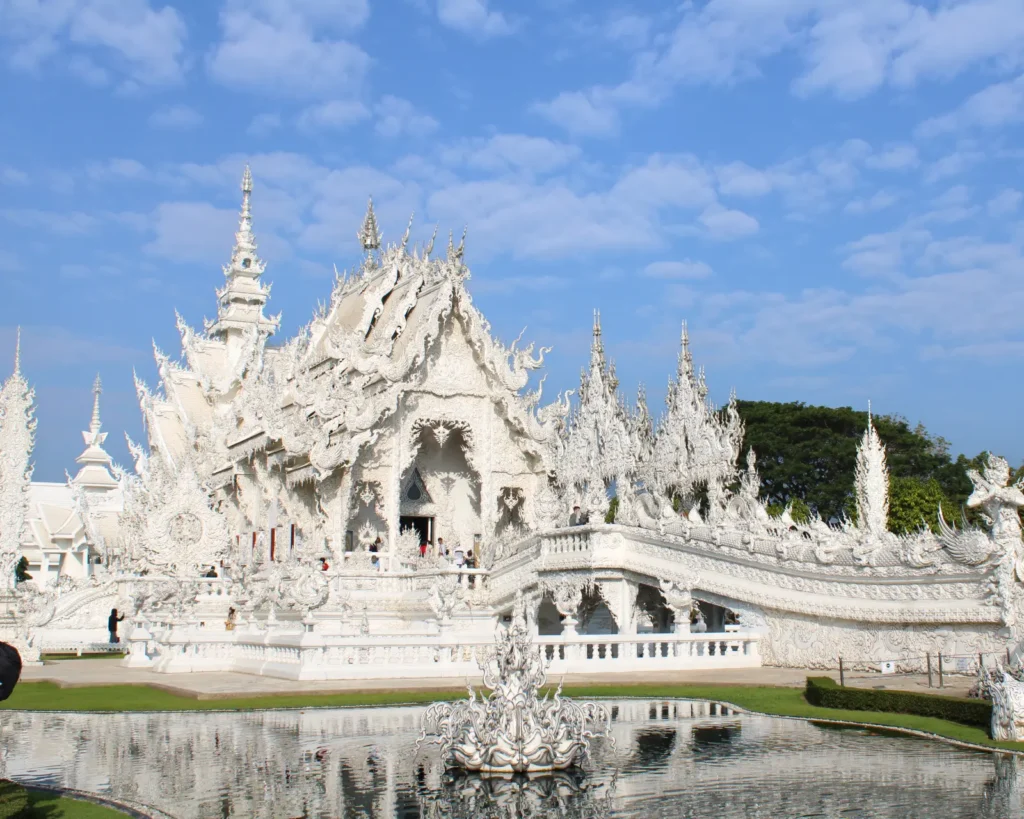
Wat Rong Khun, Chiang Rai, Thailand
I scroll through my Google Maps, check weather patterns, flight prices, and think about what kind of trip I want. Beach, mountains, culture, or adventure?
If you’re new to travel and overwhelmed by choices, go touristy. Popular destinations are popular for a reason: they’re generally safe, easy to get around, and full of things to do. I recommend Thailand—check out this guide.
Wat Rong Khun, Chiang Rai, Thailand
I scroll through my Google Maps, check weather patterns, flight prices, and think about what kind of trip I want. Beach, mountains, culture, or adventure?
If you’re new to travel and overwhelmed by choices, go touristy. Popular destinations are popular for a reason: they’re generally safe, easy to get around, and full of things to do. I recommend Thailand—check out this guide.
Budget or experience?
It may sound ironic, but I never budget my trips—even though I consider myself a budget traveler. That said, I don’t spend recklessly—but I do prioritize experiences. If I’ve traveled halfway across the world, I’m not going to miss out on something incredible just because it wasn’t in my budget. Scuba diving, bungee jumping, epic hikes—those are the moments you remember.
Budget more than you think you’ll need. I’ve never regretted spending a bit extra on an experience. I couldn’t tell you the cost of most things I’ve done—but I can tell you the stories.
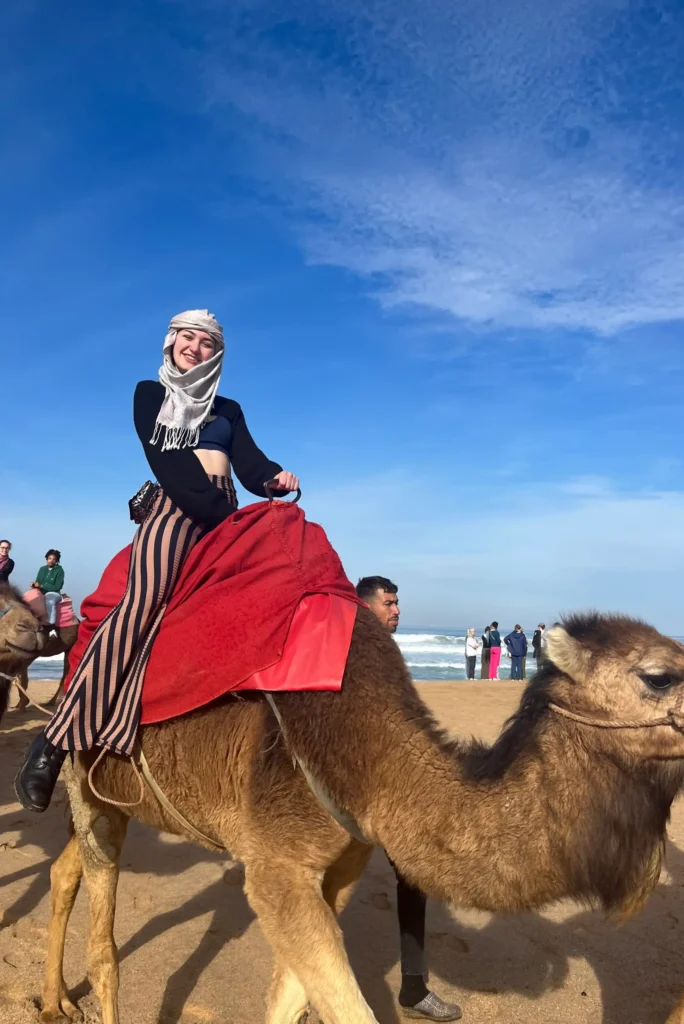
Tangier, Morocco
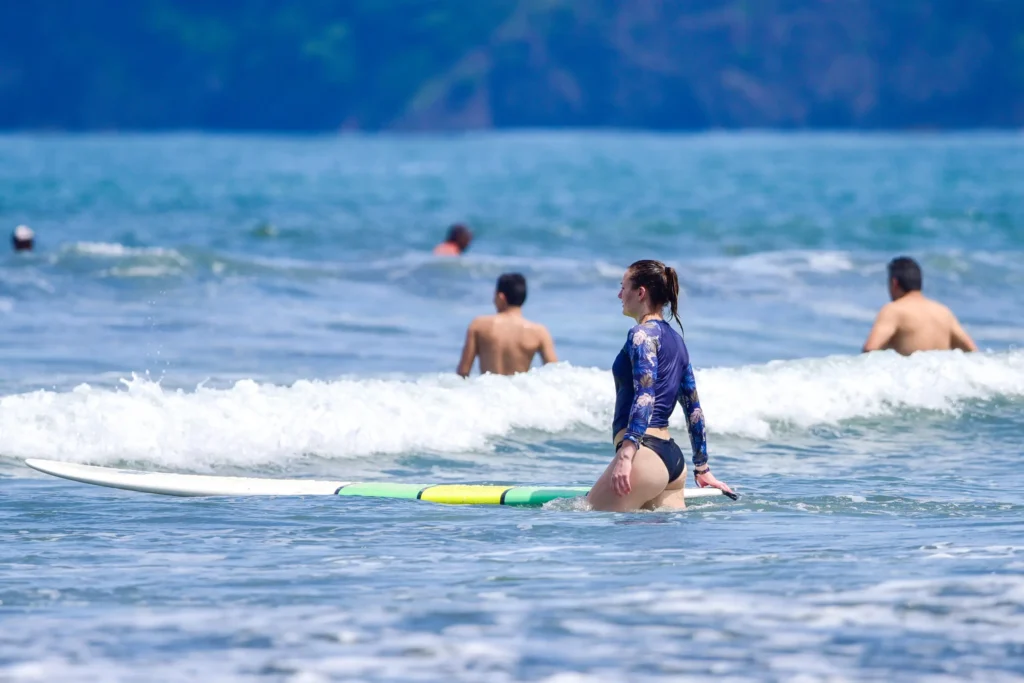
Playa Jaco, Costa Rica
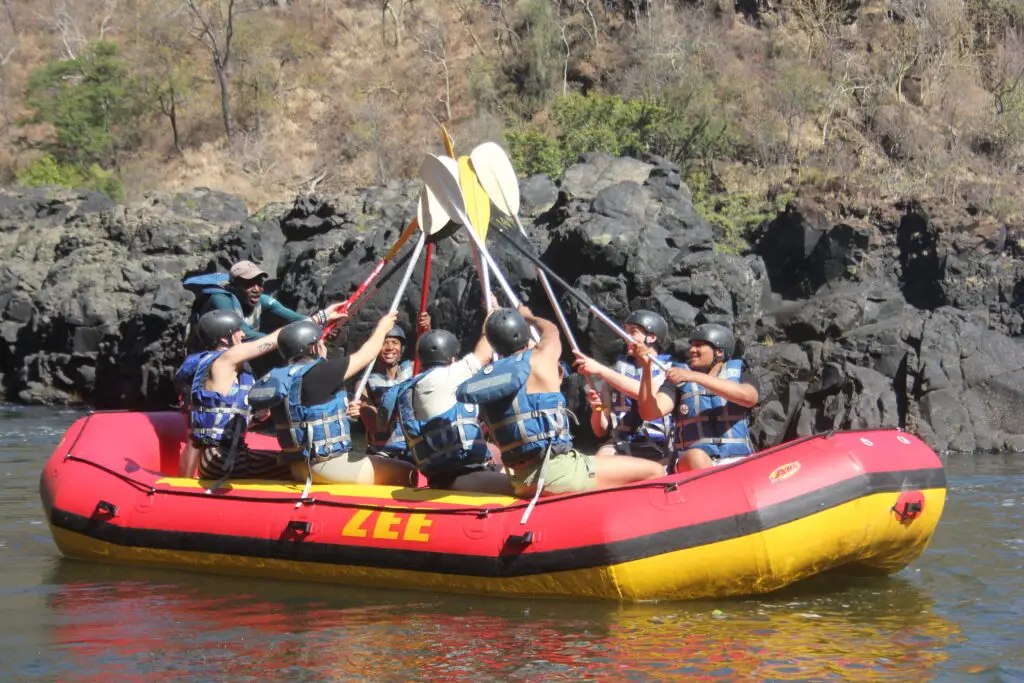
Zambezi river, Zambia
Spontaneity vs. structure?
This depends entirely on the region.
In Southeast Asia, spontaneity works. Transport is easy, hostels are everywhere, and you might fall in love with a place and want to stay longer. Don’t book too far in advance.
In Europe, things fill up faster—especially in summer. You’ll want to book transport and hostels a bit ahead.
The trick is being realistic about how flexible you can afford to be.
How much planning do I actually enjoy?
I’m a Type-A planner but a Type-B spirit. I love the research phase. I make Google Docs, color code locations on Google Maps, and create outlines. But once I arrive, I go with the flow. I like having a list of options rather than a strict itinerary. Some days, I just want to lay in a hammock and read.
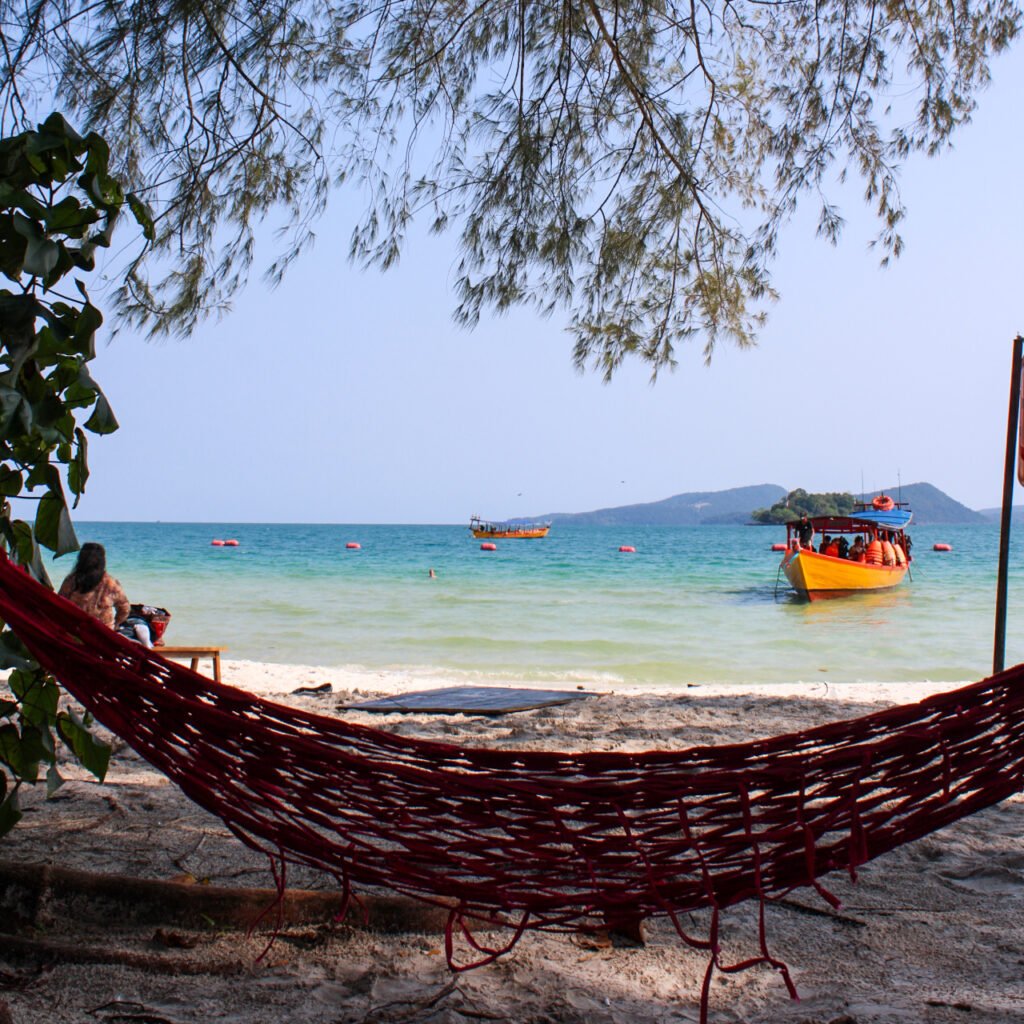
Koh Rong, Cambodia
How much planning do I actually enjoy?
I’m a Type-A planner but a Type-B spirit. I love the research phase. I make Google Docs, color code locations on Google Maps, and create outlines. But once I arrive, I go with the flow. I like having a list of options rather than a strict itinerary. Some days, I just want to lay in a hammock and read.
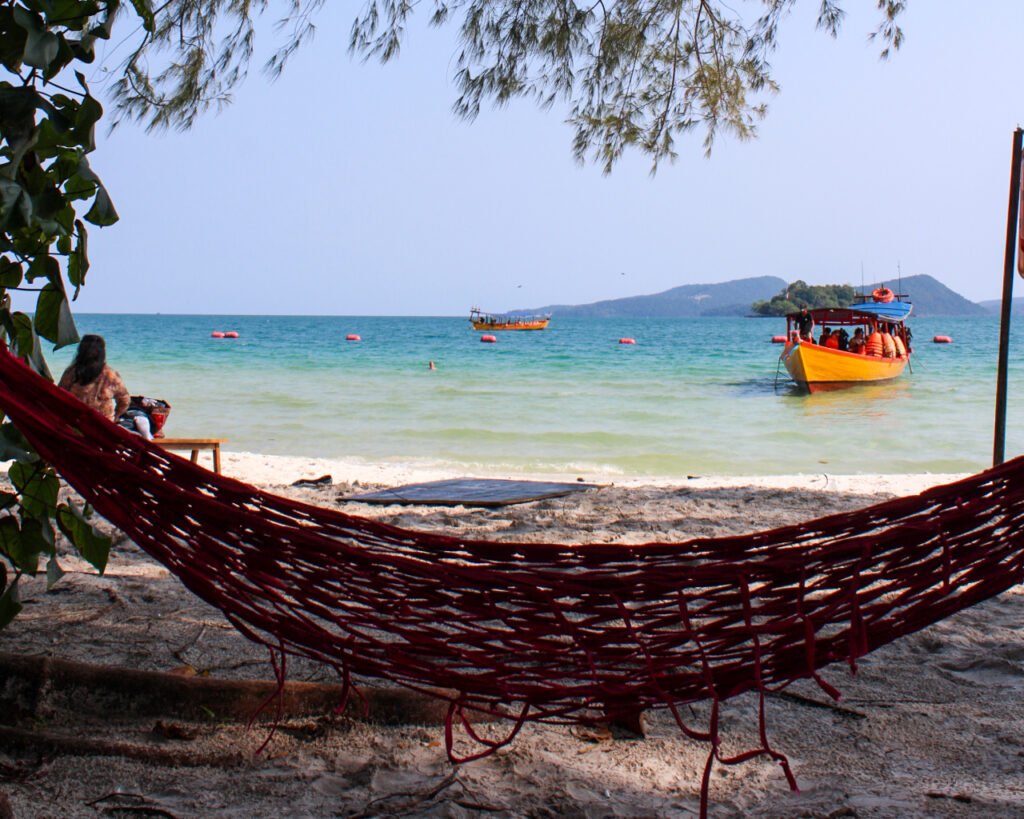
Koh Rong, Cambodia
Step 2: Researching a Destination
Where do I research?
I don’t stick to one source. I usually read 3–4 different travel blogs, scroll through social media and ask people I trust to get multiple perspectives. One person’s hidden gem might be another’s skip-over. My favorites are Nomadic Matt and Lonely Planet for general advice, but I also look through TikToks and Instagram reels for recent advice.
I also rely on the travelers I have met. If I know someone’s been there, I’ll shoot them a message. Nothing tops advice from a friend.
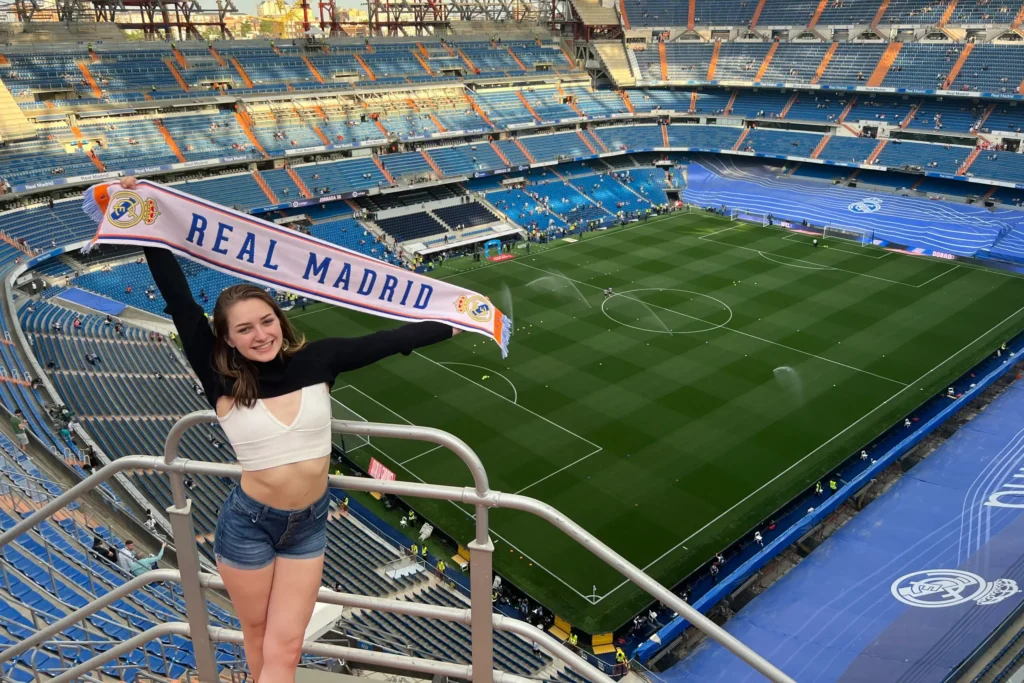
Madrid, Spain
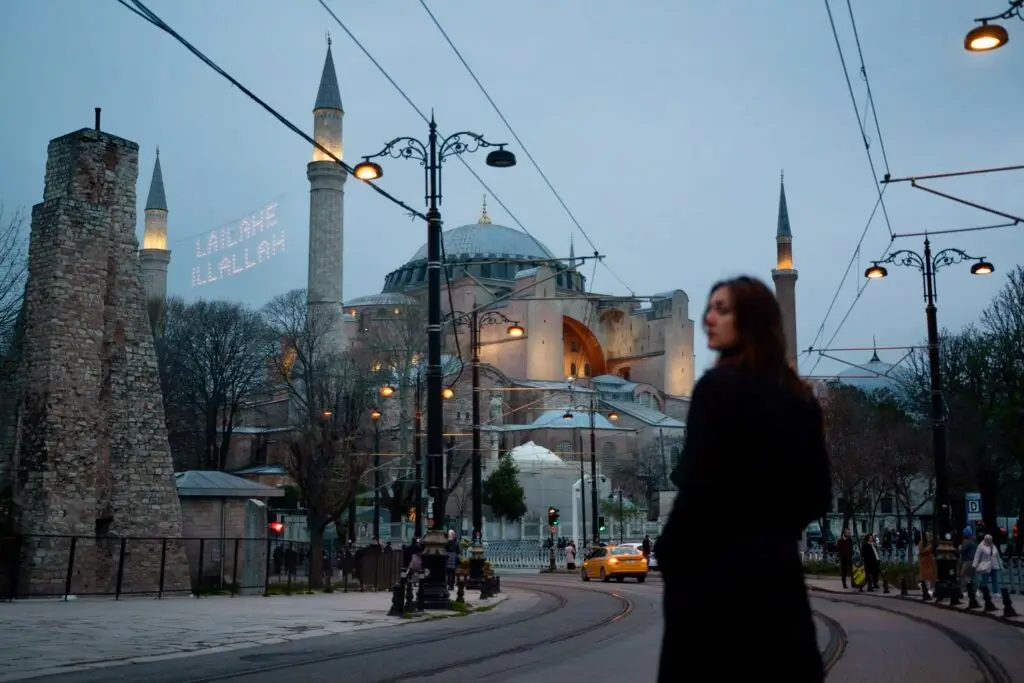
Istanbul, Turkey Photo by Ronan Carr
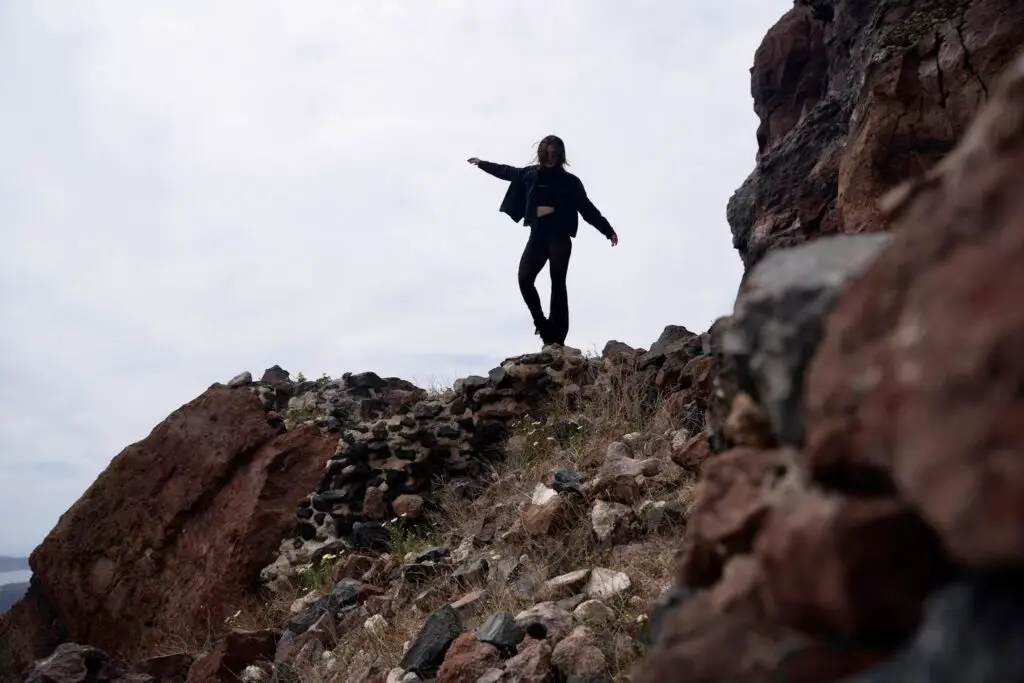
Santorini, Greece Photo by Ronan Carr
What do I research?
When I should go
Visa requirements
Safety
Where to stay
What to do
What to pack
Local customs & culture
Electrical outlets & SIM cards
How do I avoid information overload?
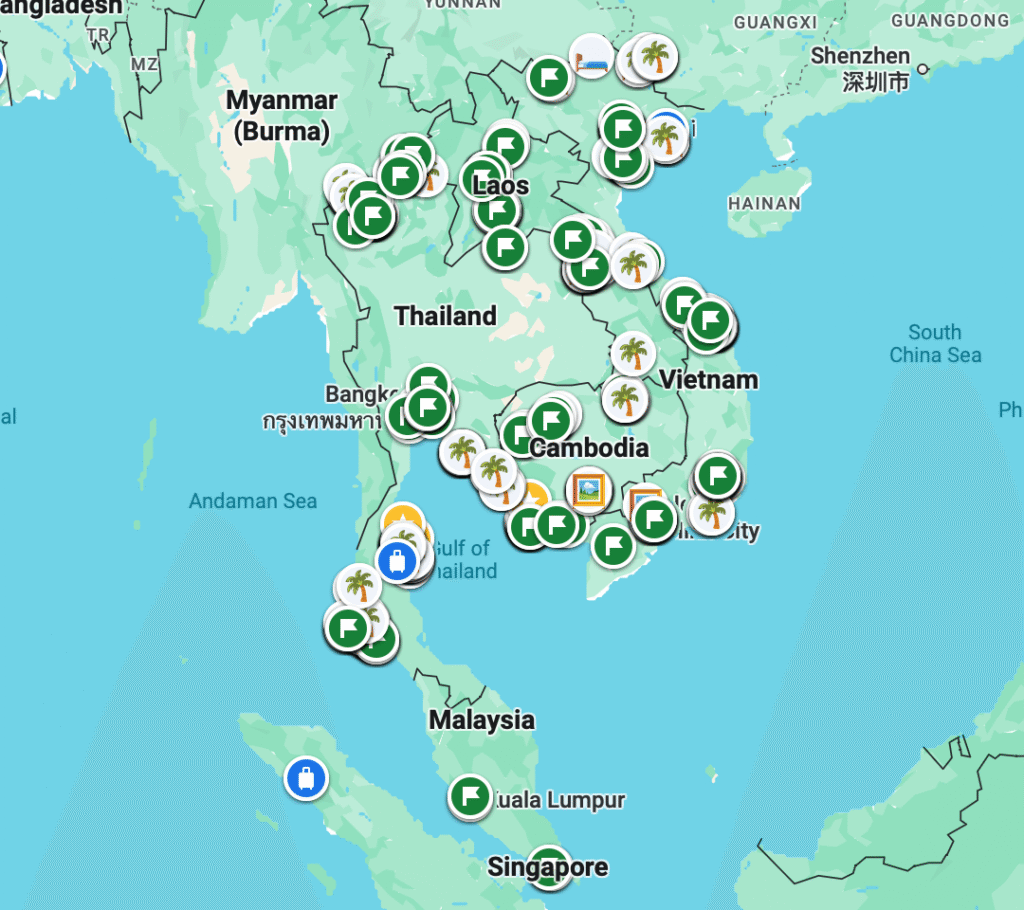
Have I mentioned Google Maps yet? Well, it is my holy grail of organizing everything travel.
I categorize everything—hostels, restaurants, activities, nature spots—and use the note feature to remember why I pinned it.
my Google Maps of SE Asia
See a TikTok of a unique destination? Pin it.
Traveler raved about a hostel? Pin it.
Friend had an amazing experience with a tour company? Pin it.
Even if I’m not planning on going anytime soon, I’ll still mark it down, just in case. I mark everything down. That way, once I plan a trip, I already have a map full of recommendations.
my Google Maps of SE Asia
See a TikTok of a unique destination? Pin it.
Traveler raved about a hostel? Pin it.
Friend had an amazing experience with a tour company? Pin it.
Even if I’m not planning on going anytime soon, I’ll still mark it down, just in case. I mark everything down. That way, once I plan a trip, I already have a map full of recommendations.
Step 3: Budgeting
How do I estimate costs?
I check travel blogs for budget backpacker, then multiply that by 1.5-2x (always overbudget). You never know when you’ll come across an activity you’d like to experience or in case an accident occurs. If you don’t use it, it’s bonus money for when you return.
Personally, I know my own spending habits and know that I’ll spend more on food, souvenirs and unexpected adventures.
How do I save while still enjoying the trip?
I save by cutting back on food and lodging.
Cook in the hostel kitchen
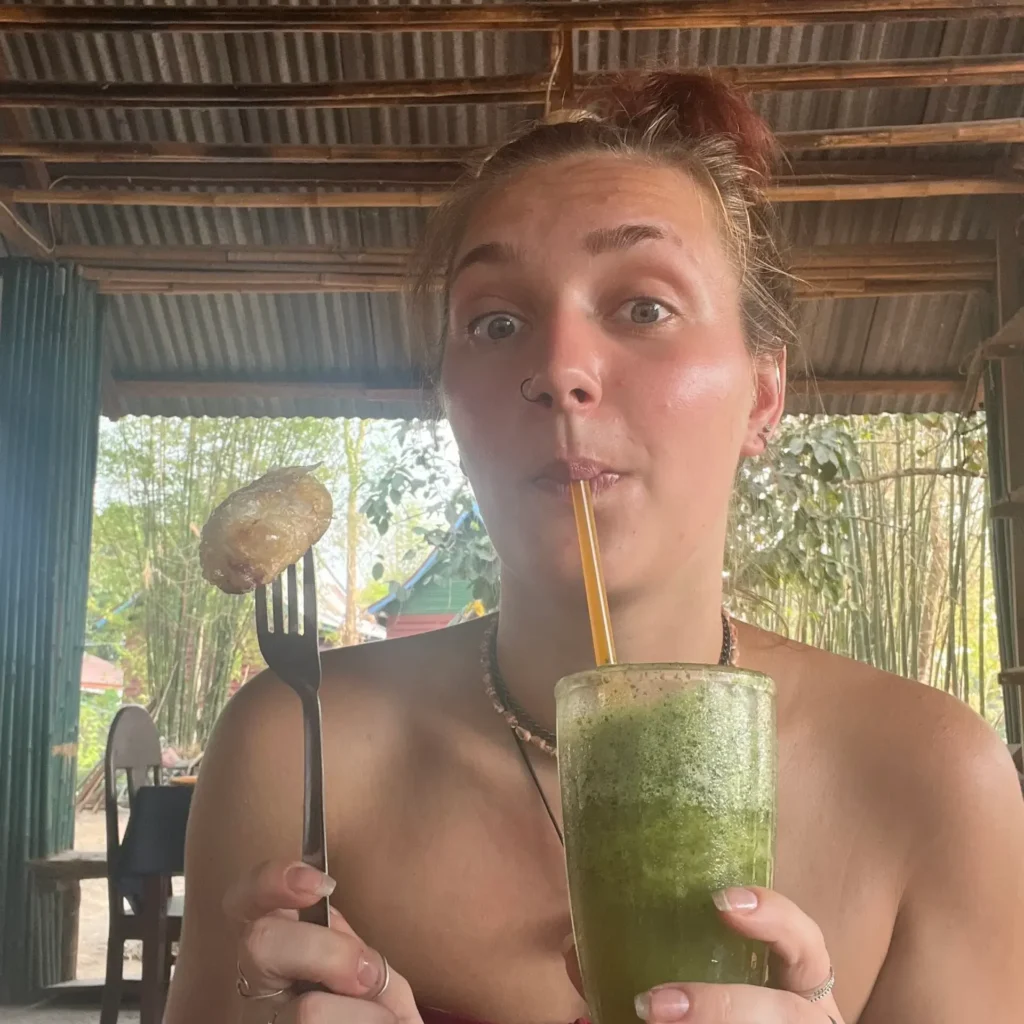
Eat street food (especially in Asia—some of the best meals of my life have cost less than $2)
Choose hostels with free tours or breakfast
Don Det, Laos
Look for student/under-25 discounts (especially in Europe)
I’ll save up so I can splurge on a few big experiences. Choose your moments.
How do I save while still enjoying the trip?
I save by cutting back on food and lodging.
Cook in the hostel kitchen
Eat street food (especially in Asia—some of the best meals of my life have cost less than $2)
Choose hostels with free tours or breakfast
Look for student/under-25 discounts (especially in Europe)
I’ll save up so I can splurge on a few big experiences. Choose your moments.
Don Det, Laos
Step 4: Itinerary Building
Full itinerary or loose outline?
Long trips = loose. I map points of interest and see how I feel once I arrive
Short trips = structured. Sometimes I plan by the hour to make the most of it
How many days per place?
A good rule of thumb is to plan to have 2–4 days per city. Larger cities get more time; smaller towns need less. Make sure to account for any fun day trips nearby. But it’s always better to take it slow if you have the time.
Avoiding burnout?
Don’t overbook yourself. You’ll get tired, sick, or just in need of a rest day. On longer trips, I build in buffer days with no plans. On short trips, I go all in—and rest when I get home.
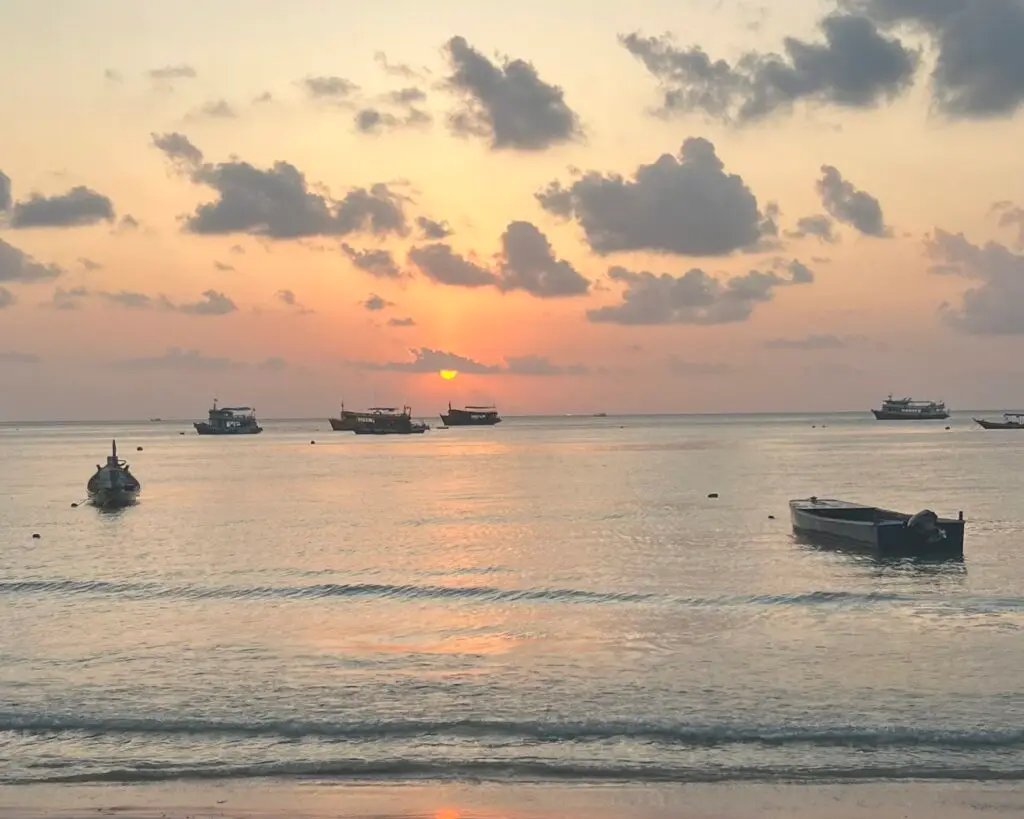
Koh Tao, Thailand
Koh Tao, Thailand
Part 5: Accommodation
What matters most?
Location – stay near the action
Price – always compare different hostels
Safety & Privacy – check for curtains & lockers
Common areas – helps to meet people
Amenities – based on what you need
How do I find safe places?
Research. Booking.com and Hostelworld will often tag solo female-friendly spots. This is where reading reviews also becomes essential. They will tell you everything you need to know and whether or not you should stay there.
Want more? I wrote a full guide on choosing the right hostel here.
Step 6: Booking Transportation
What platforms do I use?
Flights: Skyscanner, Google Flights, or my credit card’s travel portal
Southeast Asia: 12Go
Europe: FlixBus, Omio, Rome2Rio
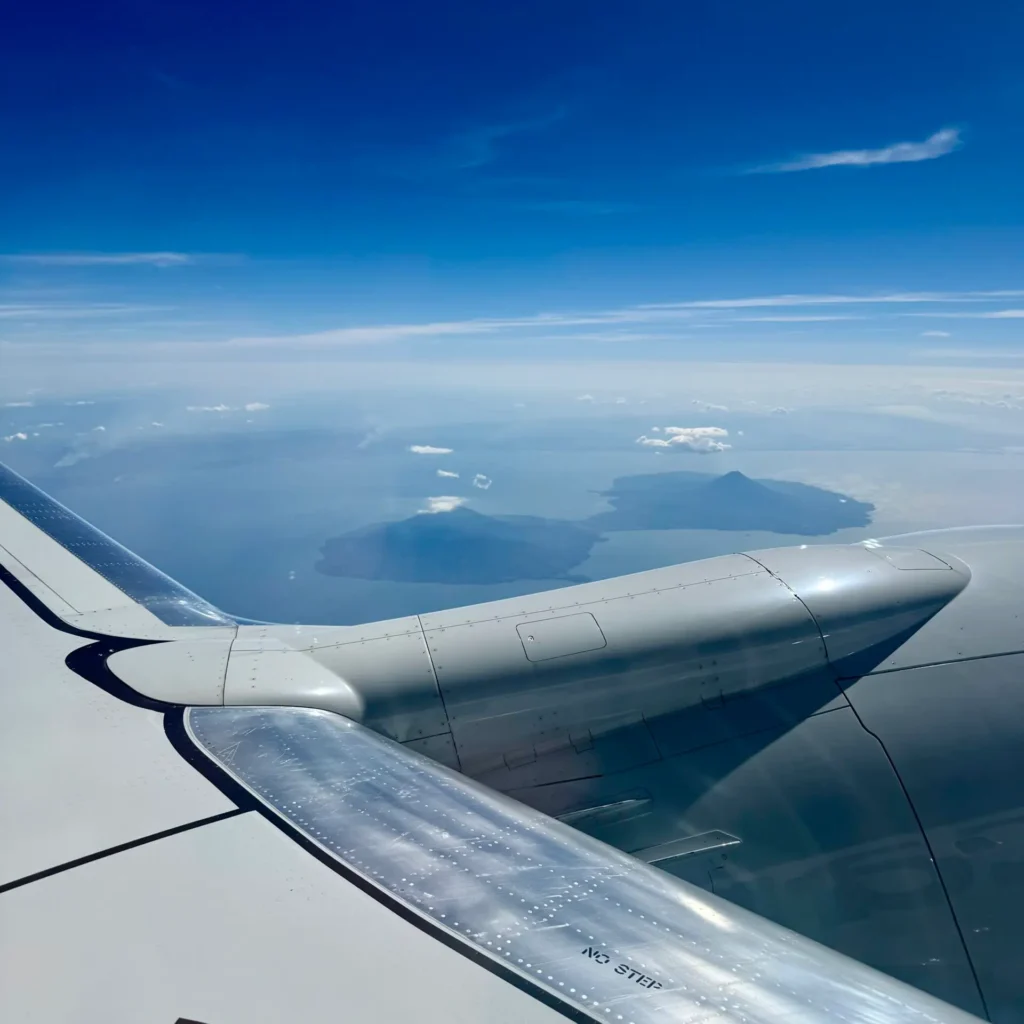
flying over Ometepe, Nicaragua
How do I find deals?
Check different platforms over multiple days. Use incognito mode or different devices—some companies track your IP. Sometimes, I even let the flight prices choose the destination.
What platforms do I use?
Flights: Skyscanner, Google Flights, or my credit card’s travel portal
Southeast Asia: 12Go
Europe: FlixBus, Omio, Rome2Rio
How do I find deals?
Check different platforms over multiple days. Use incognito mode or different devices—some companies track your IP. Sometimes, I even let the flight prices choose the destination.
flying over Ometepe, Nicaragua
When do I book major things?
Flights: 2 weeks to a month in advance
Hostels: a few days to two weeks in advance, depending on the region
Step 7: Packing & Prepping
How do I decide what to pack?
I am a chronic over packer, so I can tell you, the less you carry, the better. It depends on the location, length, and climate, but layering is always key.
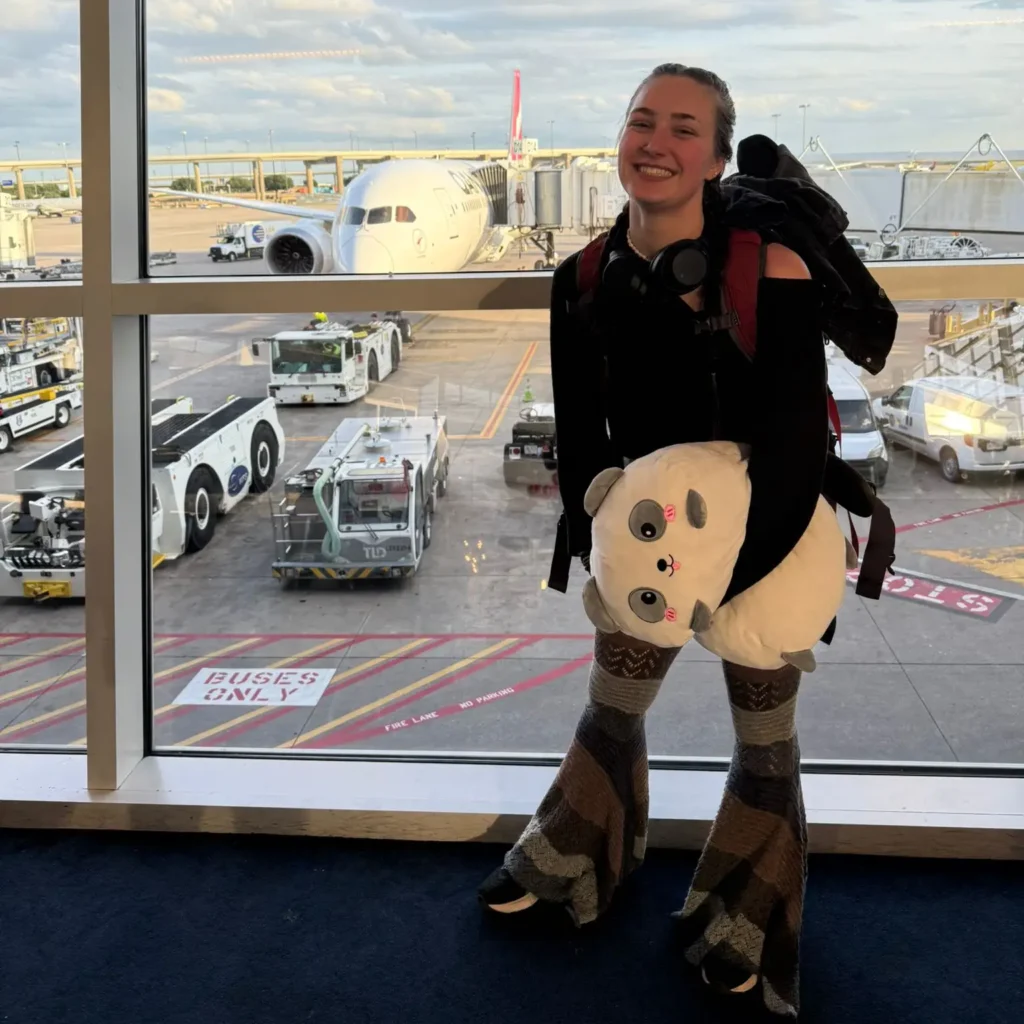
On my way to Australia!
Essentials I always bring:
Portable charger: your phone is your map, camera, translator–don’t let it die
Microfiber towel: compact, fast drying, and because hostels don’t often provide towels
Pillow: great for long travel days and lumpy hostel beds
Water bottle: better for your wallet and the planet
Two sets of headphones: always have a backup
On my way to Australia!
Essentials I always bring:
Portable charger: your phone is your map, camera, translator–don’t let it die
Microfiber towel: compact, fast drying, and because hostels don’t often provide towels
Pillow: great for long travel days and lumpy hostel beds
Water bottle: better for your wallet and the planet
Two sets of headphones: always have a backup
How do I prep for admin stuff?
Start researching as soon as you decide on a destination. Visas can take time (I’ve had to delay a trip because of this). Vaccines and insurance need to be sorted ahead of time, too.
You don’t need to book everything immediately—but do your prep early.
Step 8: Mental & Emotional Prep
How do I deal with nerves?
Preparing often helps me feel prepared and less nervous. But I reframe nerves as excitement. I remind myself of all the memories, friends, and stories that are about to happen. Some of the best stories start outside your comfort zone.
What fears did I have before my first solo trip?
I was terrified about communication and getting around. But people speak English in most places, and Google Translate & Maps are lifesavers. It wasn’t nearly as hard as I thought. There are also so many people willing to help. Whether locals or fellow travelers, you’ll never be alone.
Preparing for cultural differences?
Do your research. Culture shock is real, but knowing what to expect helps. Read blogs, watch videos, and learn from others. It’s important to know a few basics—like tipping etiquette or how to greet someone. It doesn’t hurt to know a few words in the native language too.
What do I do when things go wrong?
Something will go wrong. That’s part of travel.
Missed trains, lost bookings, getting scammed—it happens. Take a breath, get somewhere safe, and figure it out step by step. There’s always a solution. Solo traveling will teach you that you are more capable than you think.
Acatenango, Guatemala
This is how I plan trips: a little chaotic, a little calculated, and a lot of fun. The key is to prepare enough to feel safe and informed—but leave room for magic. Some of the best travel moments are the ones you never planned.
What do I do when things go wrong?
Something will go wrong. That’s part of travel.
Missed trains, lost bookings, getting scammed—it happens. Take a breath, get somewhere safe, and figure it out step by step. There’s always a solution. Solo traveling will teach you that you are more capable than you think.
This is how I plan trips: a little chaotic, a little calculated, and a lot of fun. The key is to prepare enough to feel safe and informed—but leave room for magic. Some of the best travel moments are the ones you never planned.
Acatenango, Guatemala
Scroll to Top
Newsletter
Subscribe to receive new blog posts straight to your inbox!