There’s this common belief that solo travel is lonely. But for me, it was the opposite. Before my first solo travel trip, I was terrified to go alone. It was supposed to be a trip with someone else, but when they backed out, I decided I’d rather go alone than not go at all.
I was scared of being alone. I imagined exploring unfamiliar cities, eating meals by myself and planning every moment in a country I didn’t know, a culture I wasn’t familiar with, and a language I’d never heard before. It was overwhelming. And yes, at times it was lonely—but not in the way you might think.
Loneliness Is Not What You Think It Is
During my solo travels, I was rarely ever physically alone. I was always surrounded by people: new faces, travelers, and locals. The hostels buzzed with conversations between strangers, the streets were buzzing with activity, and backpacker bars packed with energy.
The loneliness I felt was more emotional than situational. I wasn’t lonely because I had no one around me—I was lonely because the people I was with didn’t know me the way my friends back home knew me. Surprisingly, the times when I was actually alone—when no one was around me—were the times I began to cherish. When you’re staying in hostels and constantly meeting new people—peace and
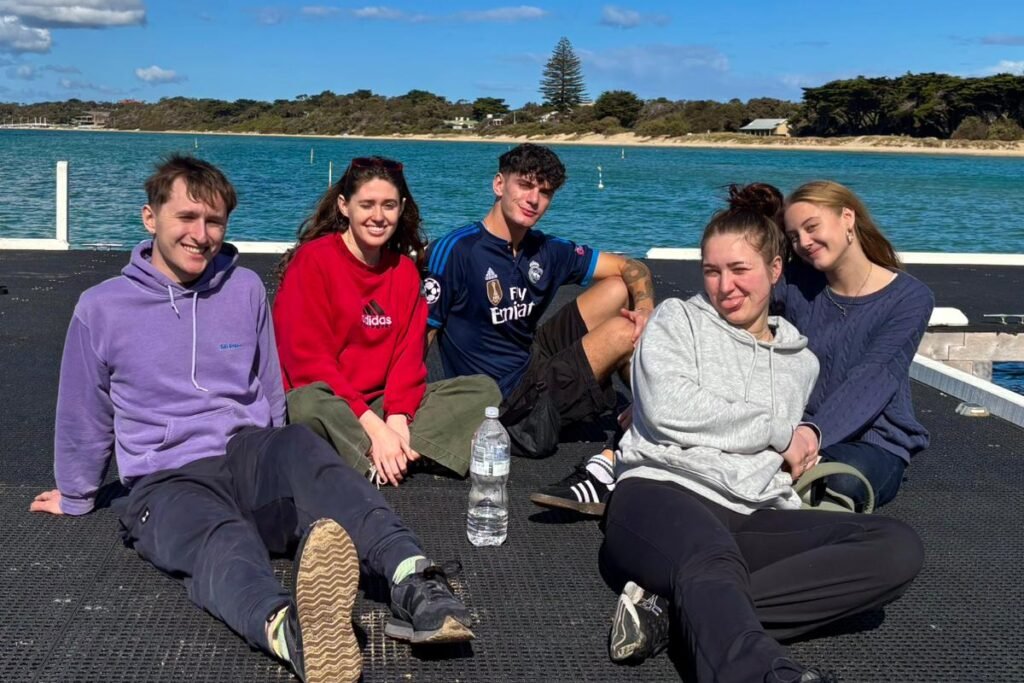
Mornington Peninsula, Australia
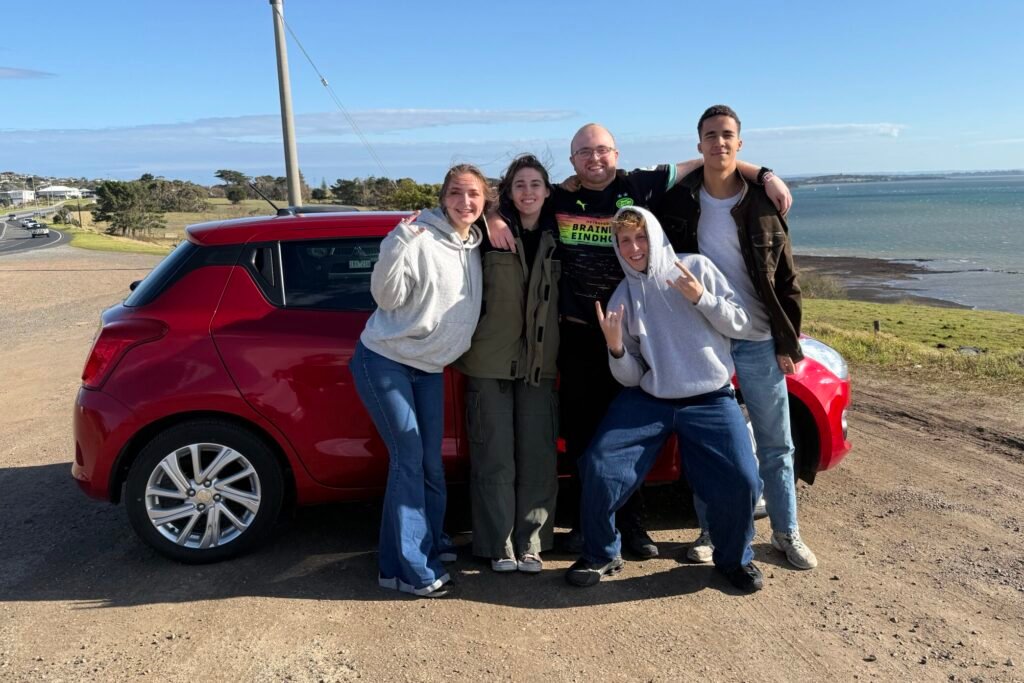
Phillip Island, Australia
quiet become rare. The real loneliness crept in when I was missing home, my friends, and the familiar.
During my solo travels, I was rarely ever physically alone. I was always surrounded by people: new faces, travelers, and locals. The hostels buzzed with conversations between strangers, the streets were buzzing with activity, and backpacker bars packed with energy.
The loneliness I felt was more emotional than situational. I wasn’t lonely because I had no one around me—I was lonely because the people I was with didn’t know me the way my friends back home knew me. Surprisingly, the times when I was actually alone—when no one was around me—were the times I began to cherish. When you’re staying in hostels and constantly meeting new people—peace and quiet become rare. The real loneliness crept in when I was missing home, my friends, and the familiar.
Mornington Peninsula, Australia
Phillip Island, Australia
What Being Lonely Really Feels Like
There’s a difference between being alone and being lonely.
Alone is a physical state. Lonely is a feeling.
The dictionary defines loneliness as “being without company.” But I don’t agree. Loneliness is more about not feeling understood or deeply connected to those around you. I’ve felt lonelier in a room full of people than I have walking alone through a city I just arrived in.
Solo travel taught me to embrace the quiet moments. It taught me to listen to myself, trust my gut, and enjoy my own company. The freedom to be alone when you choose it—and to connect when you want to—is empowering.
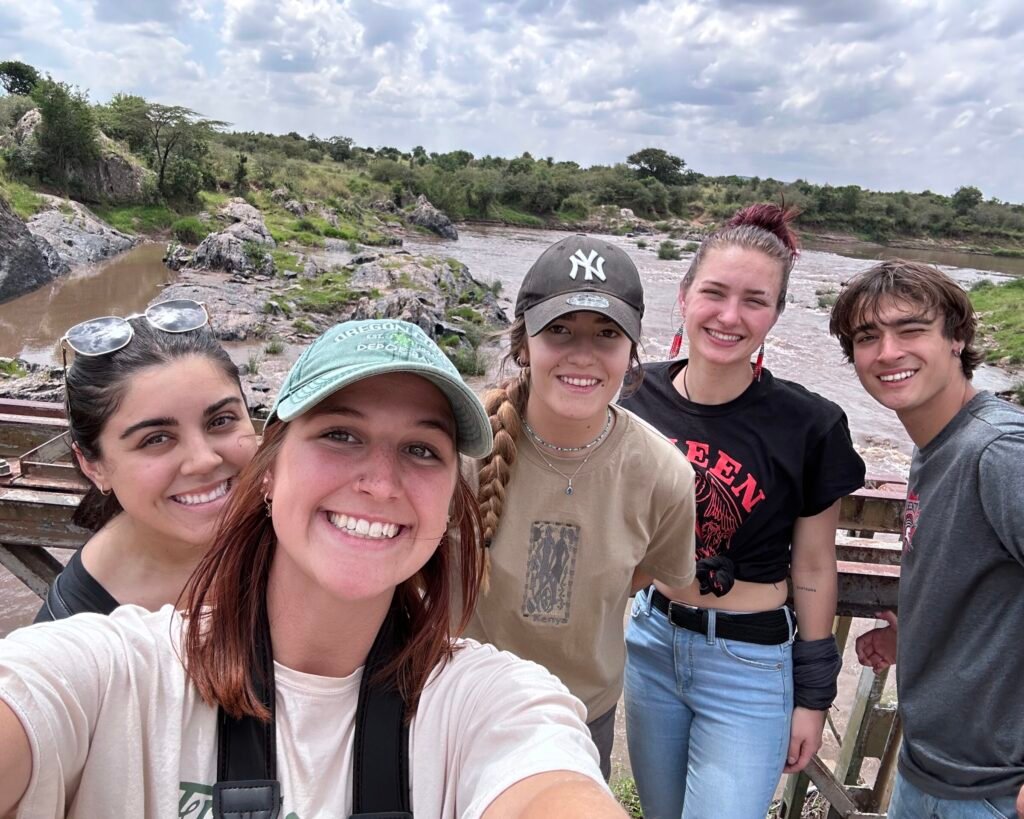
Maasai Mara, Kenya
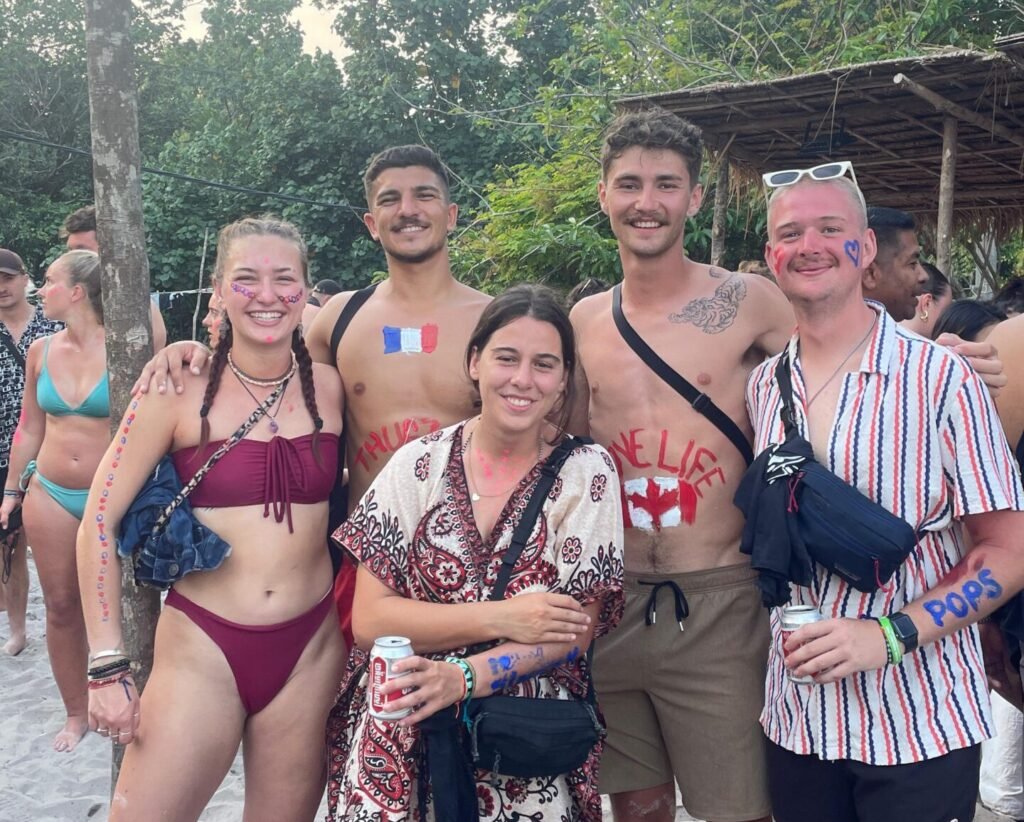
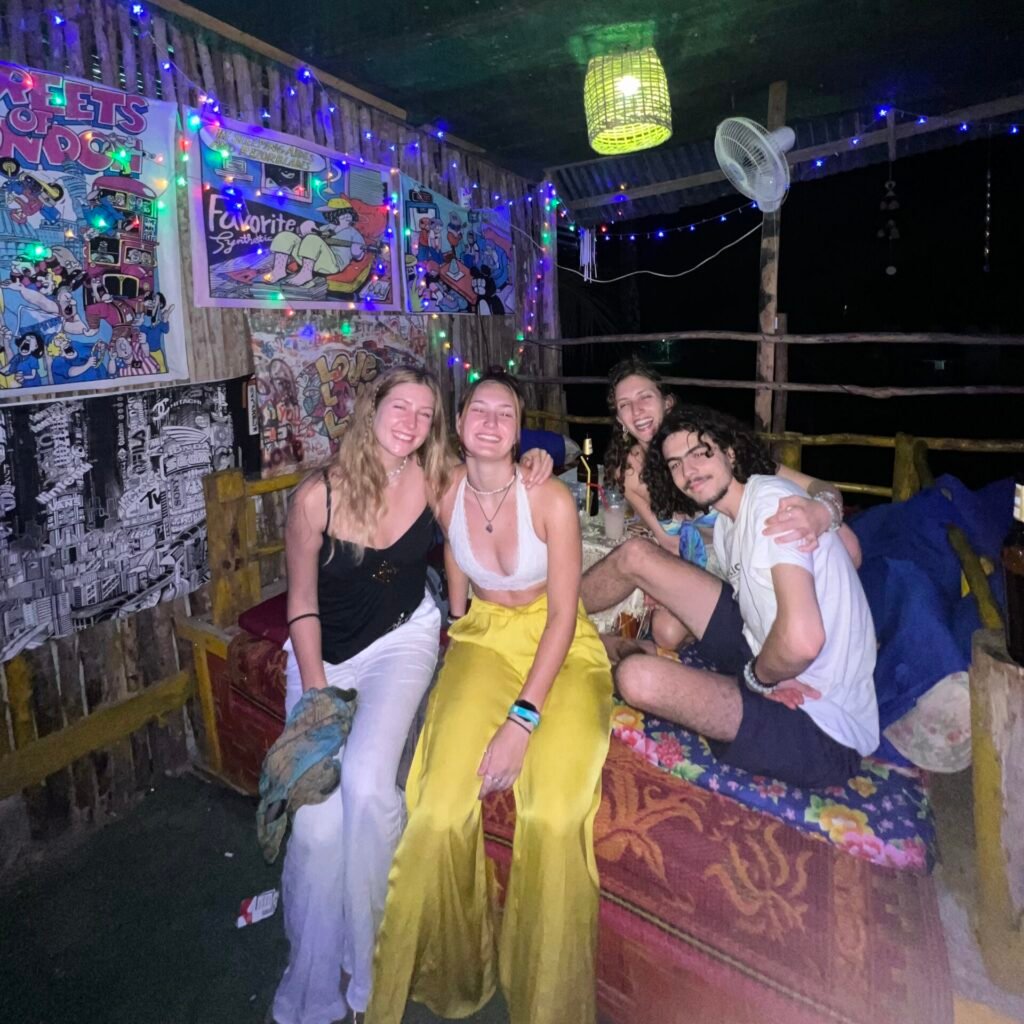
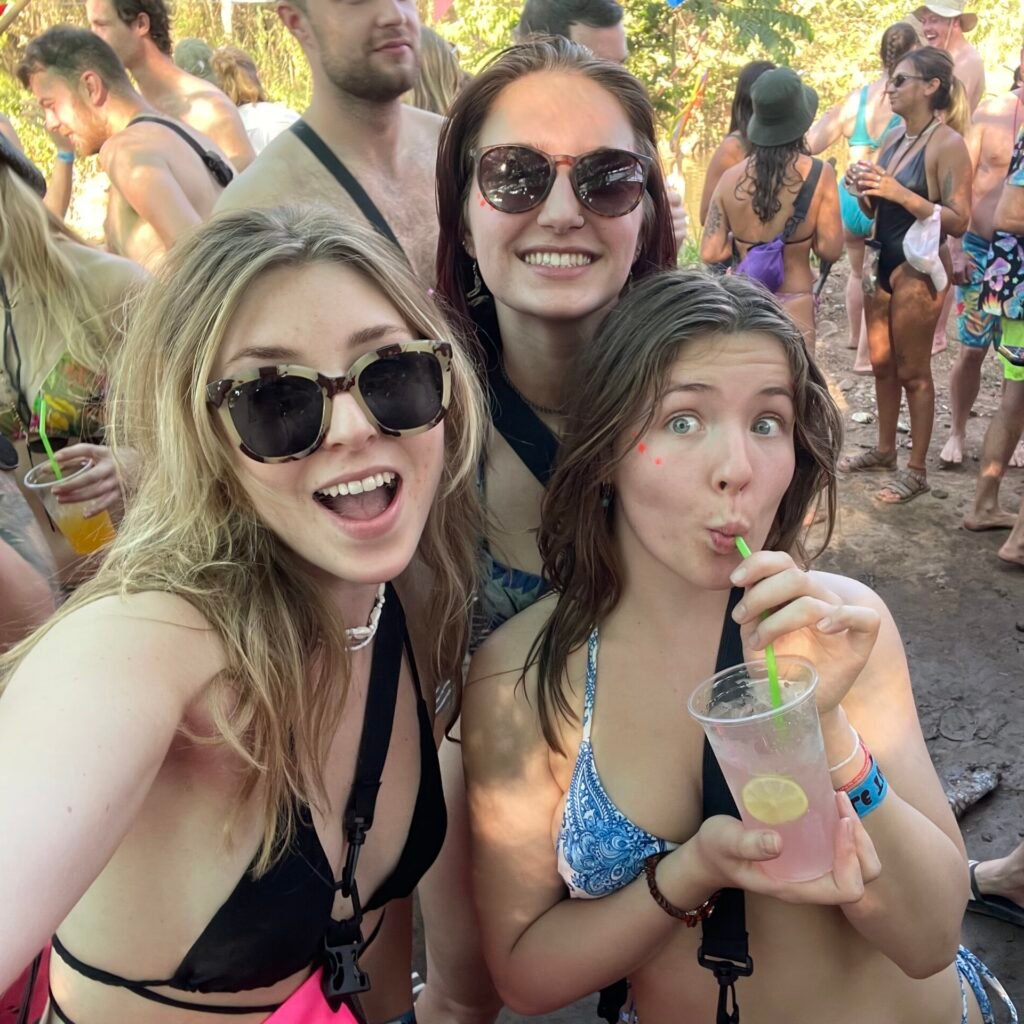
Nestival, Koh Rong, Cambodia
Victoria Falls, Zambia
Why Solo Travel Is Actually Social
You’re Never Really Alone
It is incredibly easy to meet people when you are traveling solo. Hostels are the center of backpacker life—they are constantly filled with people looking for new friends, whether to join them for dinner or for a day trip.
If you need help choosing a hostel, check out this guide.
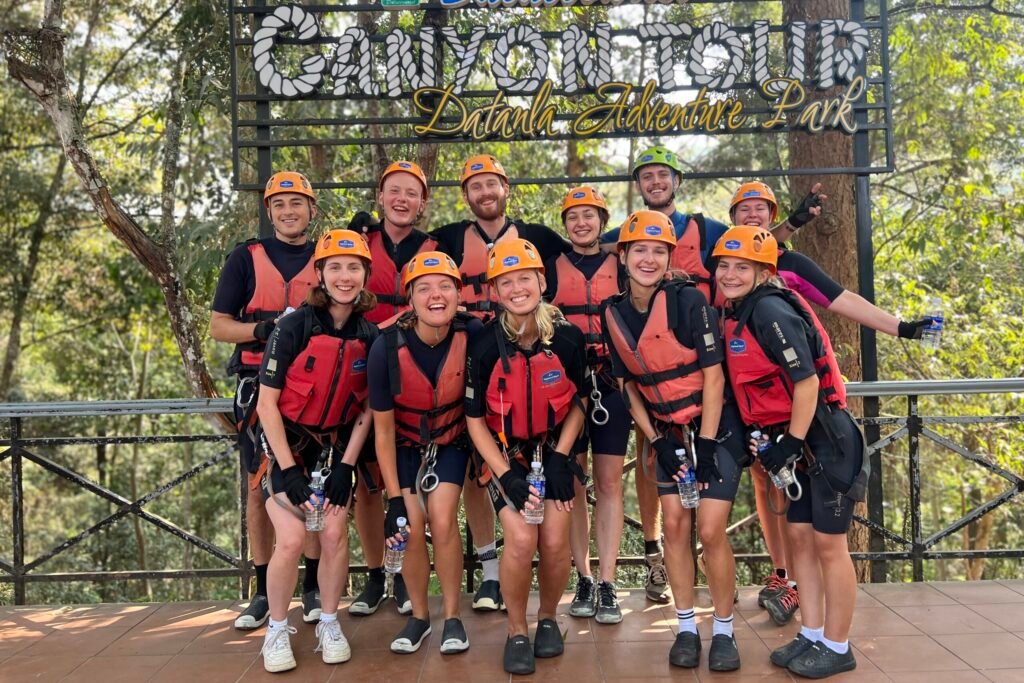
Dalat, Vietnam
Group tours, bars, and hostels are the easiest ways to make friends while abroad. Especially in certain areas like Southeast Asia, Australia, and Central America—the solo
backpacking scene is thriving. The backpacking community in those areas is large, welcoming, full of travelers open to making new connections.
Dalat, Vietnam
Group tours, bars, and hostels are the easiest ways to make friends while abroad. Especially in certain areas like Southeast Asia, Australia, and Central America—the solo backpacking scene is thriving. The backpacking community in those areas is large, welcoming, full of travelers open to making new connections.
Europe, on the other hand, can be a bit more challenging. There are still many solo travelers all around Europe, although in my experience, the hostel scene is not as social. And in the U.S., solo travel isn’t as normalized. It is still possible to make friends in these areas, although you may have to step a bit more out of your comfort zone.
Strangers Become Your People
I talk about how when I travel I crave the deep connections I have with my friends back home. But at the same time, when I travel alone, I meet the type of people I rarely meet back home. I’m from a small town in Wisconsin, where most people are born, go to school, work, and die in the same place. The idea of living a life full of movement, exploration and new experiences is so foreign to them, it is hard to make connections.
But abroad, I meet so many travelers with the same experience. No matter where they were from, they related to the need to escaping that traditional lifestyle of the 9-to-5. Despite our different backgrounds, we were all pushing back against the same societal expectations.
And once in a while, I’d meet someone I just clicked with. We’d skip the “Where are you from?” routine and dive into deeper conversations. And after a few days, it felt like I’d known them forever. These are the moments where solo travel feels like the exact opposite of lonely.
One of the most unexpected connections was actually someone I already knew. I noticed a girl I had one class with in high school was also in Thailand. I
Koh Tao, Thailand
messaged her, and we ended up on the same island. Even though we’d barely known each other before, we instantly connected. We came from the same place, had shared similar goals (we both once planned on becoming surgeons), and had chosen a different path. Now, she’s one of my good friends.
And once in a while, I’d meet someone I just clicked with. We’d skip the “Where are you from?” routine and dive into deeper conversations. And after a few days, it felt like I’d known them forever. These are the moments where solo travel feels like the exact opposite of lonely.
One of the most unexpected connections was actually someone I already knew. I noticed a girl I had one class with in high school was also in Thailand. I messaged her, and we ended up on the same island. Even though we’d barely known each other before, we instantly connected. We came from the same place, had shared similar goals (we both once planned on becoming surgeons), and had chosen a different path. Now, she’s one of my good friends.
Koh Tao, Thailand
How Solo Travel Changes You
You Learn to Love Doing Things Alone
Going out to dinner alone back home might feel awkward. But while traveling, it becomes second nature. Truth is, everyone’s too busy enjoying their own meals to notice you sitting solo. You stop waiting around for someone to join you. You just go. And maybe, you even meet someone during your dinner. You learn to get comfortable with yourself—and that’s a powerful kind of freedom.
You Learn to Take Care of Yourself
When you travel alone, every decision falls on you. You solve your own problems, navigate unfamiliar places, and protect yourself. It’s challenging—but it builds confidence and resilience. You realize how capable you really are.
Being on my own in a foreign country has also made me more alert and aware. There’s no one else to look out for you, so you start paying closer attention—to surroundings, to people, to energy. You learn to trust your gut more. You sense vibes. And you learn how to walk away when something feels off. It’s a skill you carry with you long after the trip is over.
Kyoto, Japan
Koh Phangan, Thailand Photo by Kacey Mortenson (@_kacemort_)
You Become More Yourself
When you travel alone, you’re exposed to so many situations you otherwise wouldn’t be. You have to be quick on your feet and trust your gut. You get endless chances to start over—or even reinvent yourself. You learn more about yourself than you would otherwise. You become a version of yourself that you love.
The Magic of Travel Friendships
There’s a kind of unspoken bond among travelers. You share long bus rides, dorm rooms, late-night talks, and once-in-a-lifetime experiences—sometimes with people you’ve just met. It’s intense and beautiful.
You learn more about someone in 48 hours of traveling together than you might in months at home. You open up faster and you skip the small talk. Because when you’re far from home, you crave connection.
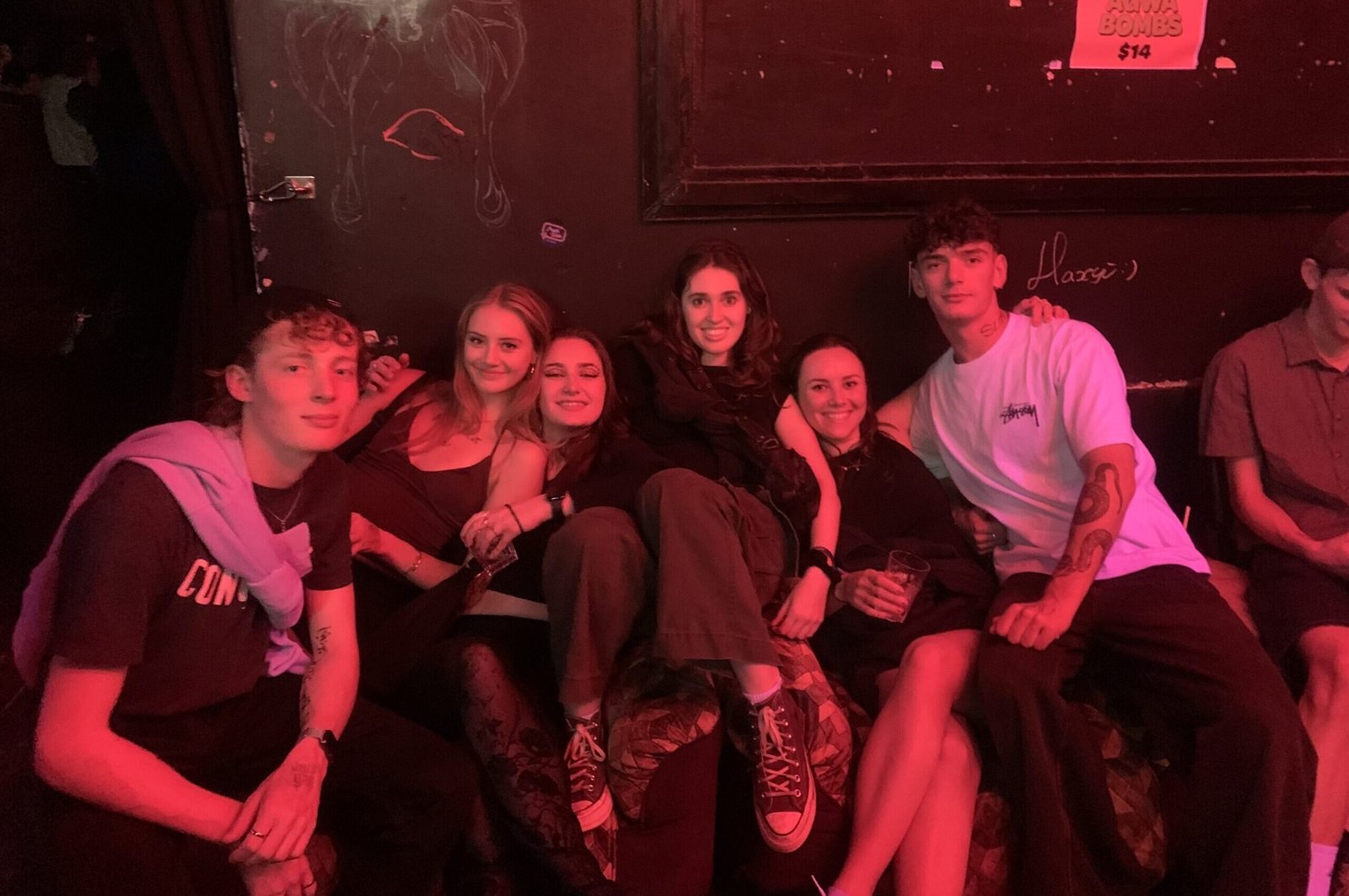
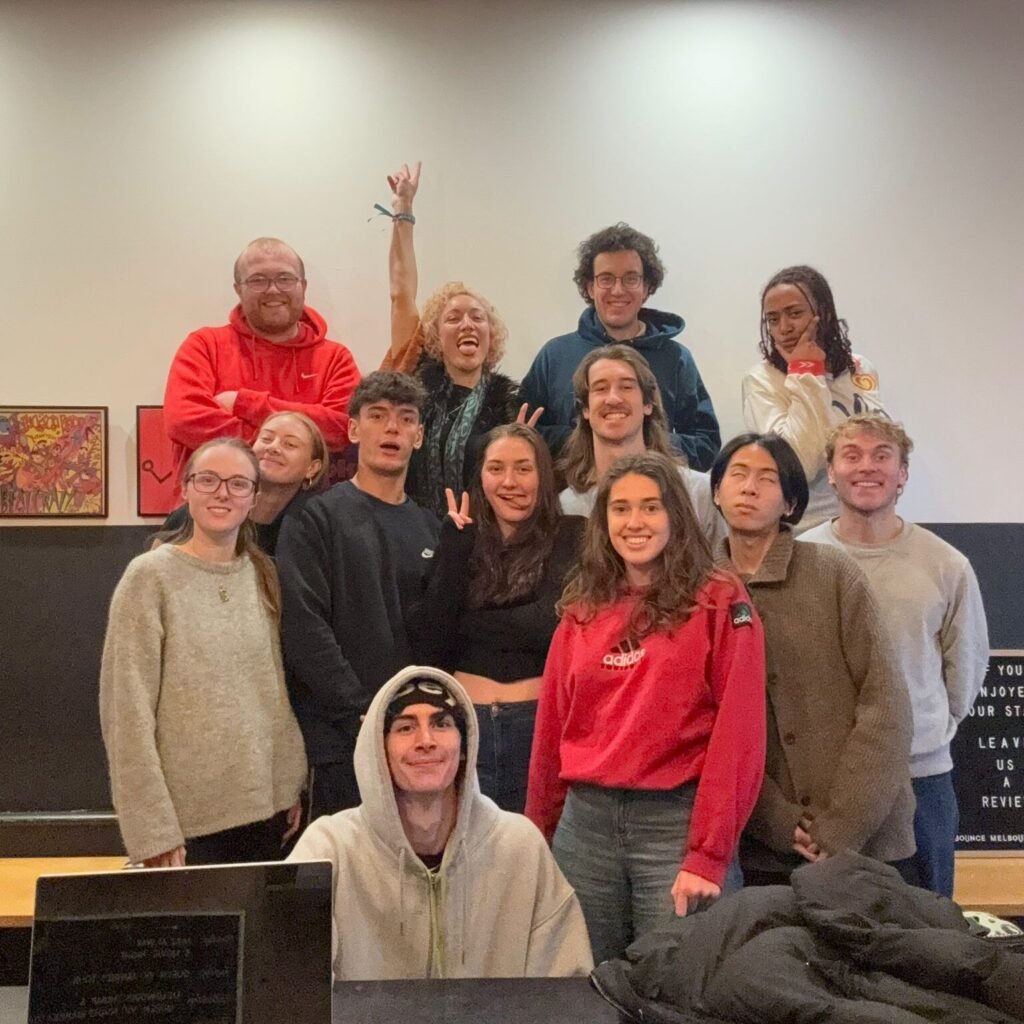
Melbourne, Australia
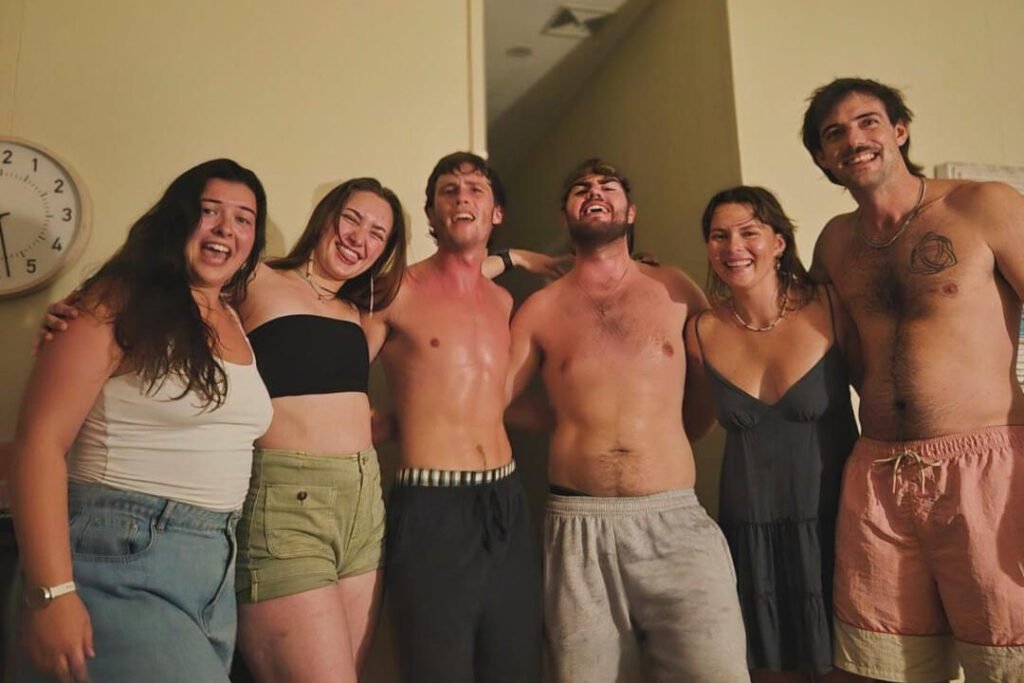
housemates from Magentic Island, Australia
Even if you lose touch, many of those friendships still hold weight. I know that if I messaged someone I met on the road a year ago, and told them I’d be in their country, they’d probably offer me a place to stay. That’s the kind of bond you build when you’re both figuring life out in unfamiliar places.
Melbourne, Australia
housemates from Magentic Island, Australia
The Magic of Travel Friendships
There’s a kind of unspoken bond among travelers. You share long bus rides, dorm rooms, late-night talks, and once-in-a-lifetime experiences—sometimes with people you’ve just met. It’s intense and beautiful.
You learn more about someone in 48 hours of traveling together than you might in months at home. You open up faster and you skip the small talk. Because when you’re far from home, you crave connection.
Even if you lose touch, many of those friendships still hold weight. I know that if I messaged someone I met on the road a year ago, and told them I’d be in their country, they’d probably offer me a place to stay. That’s the kind of bond you build when you’re both figuring life out in unfamiliar places.
To the Hesitant First-Time Solo Traveler
If someone told me they didn’t want to go on a solo trip because they were afraid of being lonely, I’d explain how it’s not true:
There are thousands of solo travelers around the world at any given time—and so many of us share that same fear. But traveling solo is what you make of it. It can be quiet and reflective, or loud and social. That’s the beauty of it—you get to choose.
Ironically, some of the loneliest people I met were traveling with friends—They clung to their group, rarely mingled with others, and missed out on deeper moments with the world around them. Meanwhile, solo travelers were swapping stories, joining tours, and sharing meals with strangers-turned-friends.
Melbourne, Australia
Vang Vieng, Laos
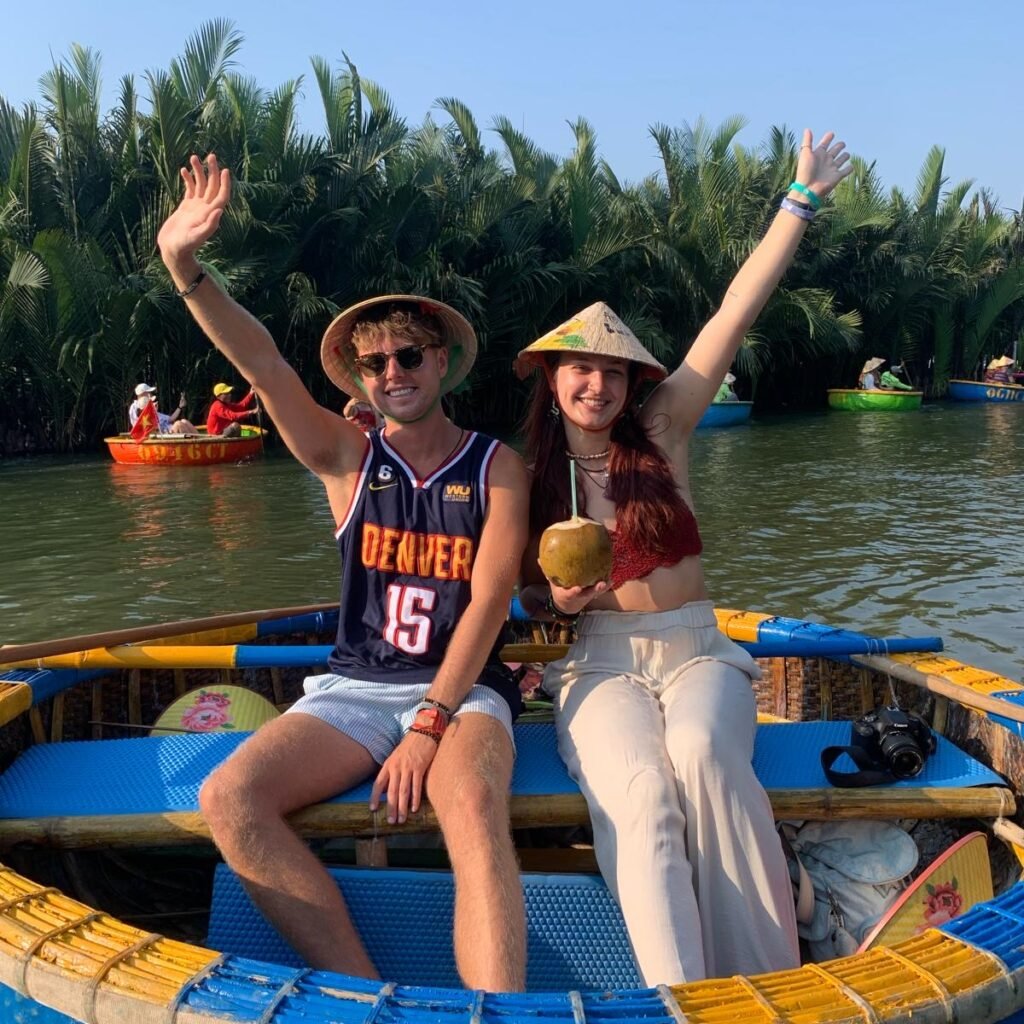
Hoi An, Vietnam
Pai, Thailand
Melbourne, Australia
Vang Vieng, Laos
Hoi An, Vietnam
Pai, Thailand
There’s a whole community out here waiting for you—and all it takes is a little courage to step into it.
Solo traveling is what you want it to be. It can be as lonely or as busy as you want—but you have to be the one to put yourself out there and take the risk.
Conclusion: The Real Connection Is With Yourself
When you leave to travel by yourself, you learn who really matters—the friends who stay in touch, the ones who don’t. It teaches you that real connections aren’t always about constant contact, but about mutual understanding and shared growth.
It also teaches you to connect with yourself. You’re placed in new environments, faced with new challenges, and given endless chances to start again. And somewhere along the way, you become a version of yourself that you genuinely love.
Melbourne, Australia
You may start your solo journey afraid of being alone. But by the end, you’ll realize you’ve never felt more connected—to people, to places, and most importantly, to yourself.
It also teaches you to connect with yourself. You’re placed in new environments, faced with new challenges, and given endless chances to start again. And somewhere along the way, you become a version of yourself that you genuinely love.
You may start your solo journey afraid of being alone. But by the end, you’ll realize you’ve never felt more connected—to people, to places, and most importantly, to yourself.
Melbourne, Australia
Scroll to Top
Newsletter
Subscribe to receive new blog posts straight to your inbox!