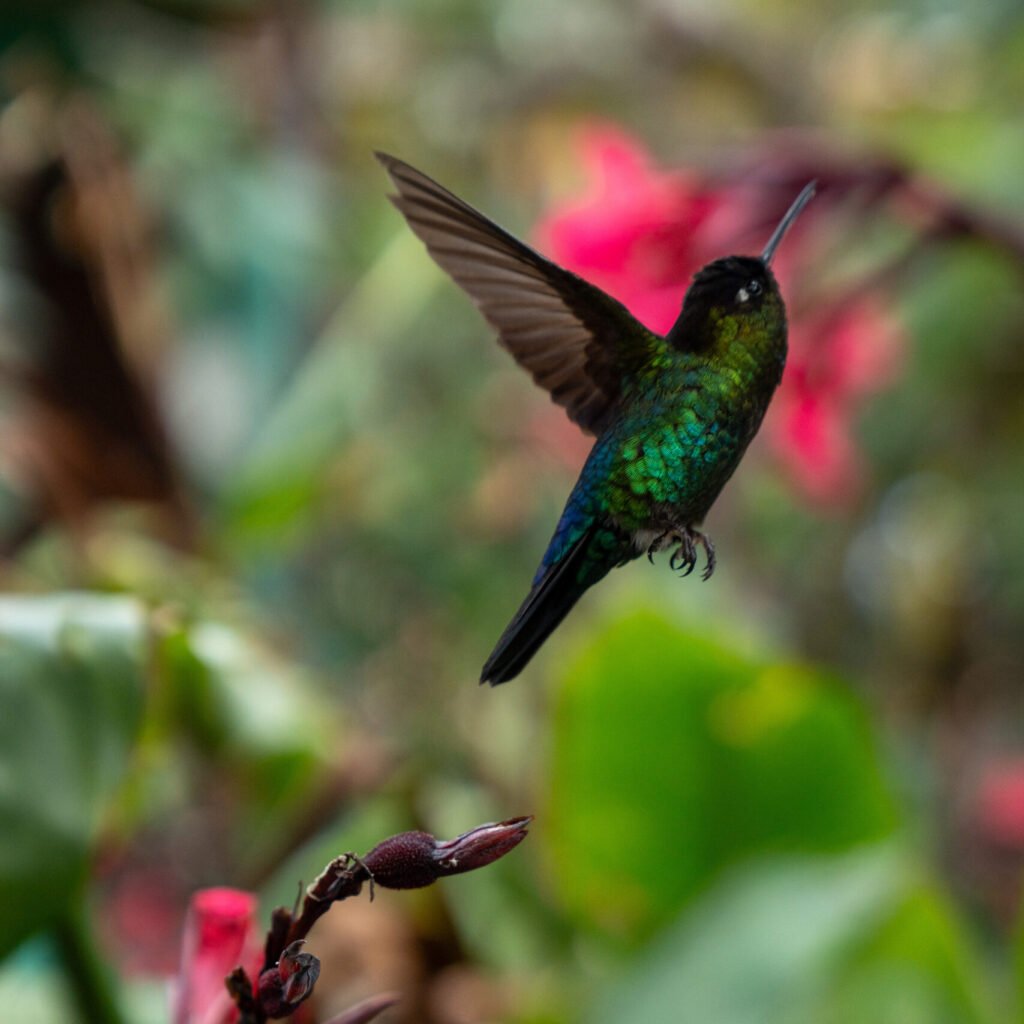
Despite my bias toward Costa Rica, there’s no denying that it’s a stunning country filled with lush nature and wildlife at every turn. Ironically, since moving away, I’ve had more opportunities to explore. On my most recent visit, I traveled with my mom, aunt, and uncle to the southern part of the country — and the amount of wildlife we saw left me in awe.
We spent a little over a week here. With Costa Rica’s rise in popularity, it’s not as affordable as it used to be, especially for budget travelers. If you can, go with friends to split the cost of hotels and car rentals. While there are a few hostel options, some areas are more remote and not ideal for solo backpackers.
Manuel Antonio is one of Costa Rica’s most popular national parks, located about 3 hours from San José. It’s compact but incredibly rich in wildlife.
What to Do:
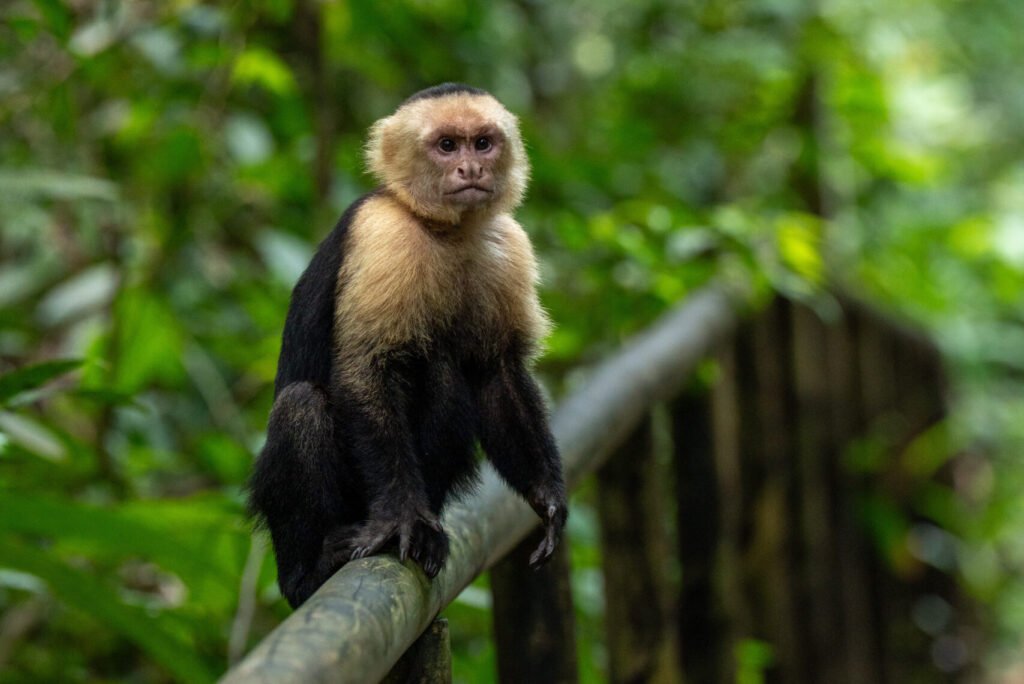
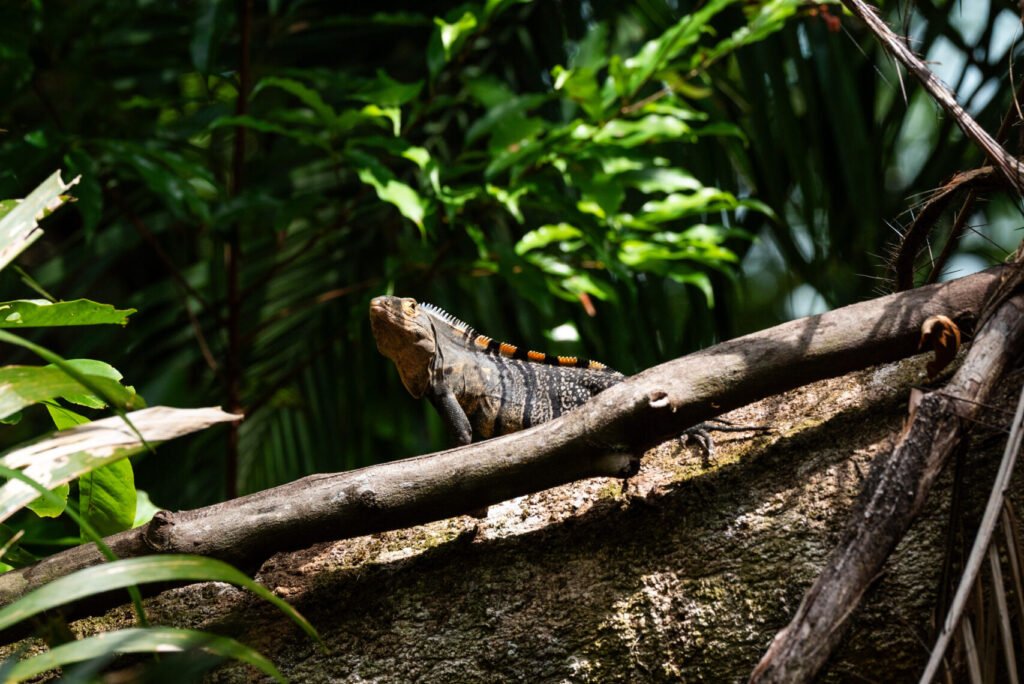
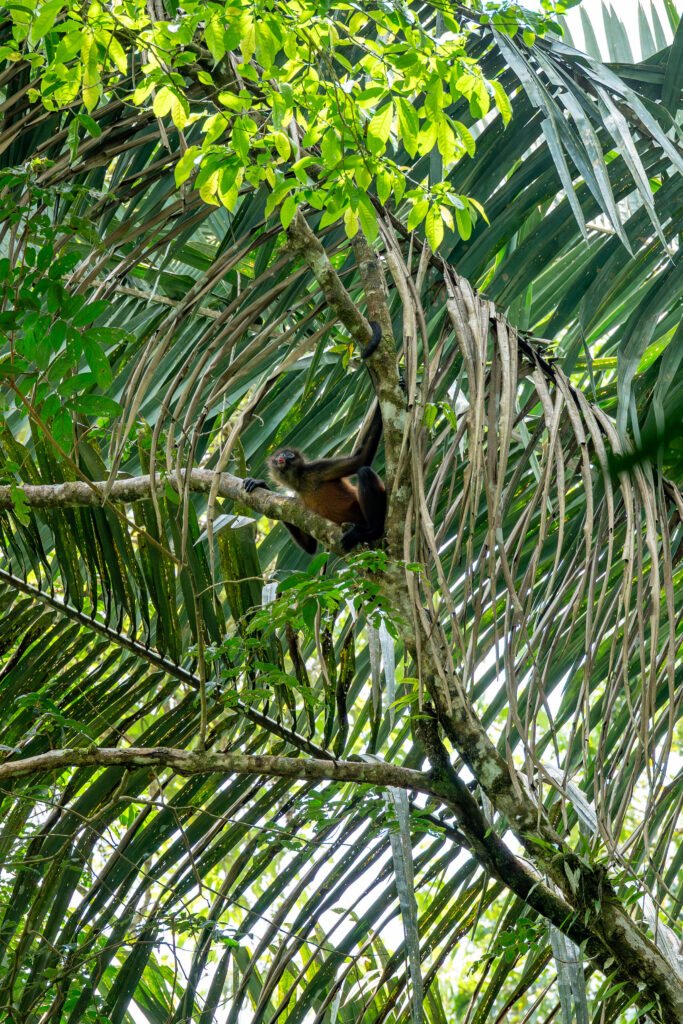
The main draw here is wildlife watching inside the park. We saw monkeys, iguanas, birds — and if you take your time on the trails, you’ll likely spot even more.
Espadilla Beach, located just outside the park, is great for a post-hike swim.
If you’re feeling adventurous, you can take a catamaran tour with a chance to snorkel and maybe spot dolphins or whales off the coast.
Capuchin (white-faced) Monkey
Iguana
For adrenaline-seekers, there are ziplining options like El Santuario, though if you’re heading to Monteverde later, I’d recommend saving it for then.
What to Do:
The main draw here is wildlife watching inside the park. We saw monkeys, iguanas, birds — and if you take your time on the trails, you’ll likely spot even more.
Espadilla Beach, located just outside the park, is great for a post-hike swim.
If you’re feeling adventurous, you can take a catamaran tour with a chance to snorkel and maybe spot dolphins or whales off the coast.
For adrenaline-seekers, there are ziplining options like El Santuario, though if you’re heading to Monteverde later, I’d recommend saving it for then.
Capuchin (white-faced) Monkey
Iguana
Where to Stay:
Hostel options here are limited and tend to be farther from the park entrance, which means you’ll need to drive and find parking (which is not ideal).
Art Hostel – Closest to the park and beach.
Hostel Plinio – A bit farther out but has a pool and is great for solo travelers.
Blue Morpho House – Not too close to the park, but near the beach.
Planet B Hostel – Adults-only, and close to La Macha Beach.
Things to Know:
No trash allowed inside the park — not even chewing gum or unopened snacks. This is to prevent animals from getting into human food and to protect the environment.
No plastic water bottles, sunscreen, or hand sanitizer either — opt for reusable bottles and reef-safe sunscreen before entering.
You can bring a swimsuit and swim at one of the beaches inside the park.
Photographers: drones aren’t allowed, but other camera gear is fine.
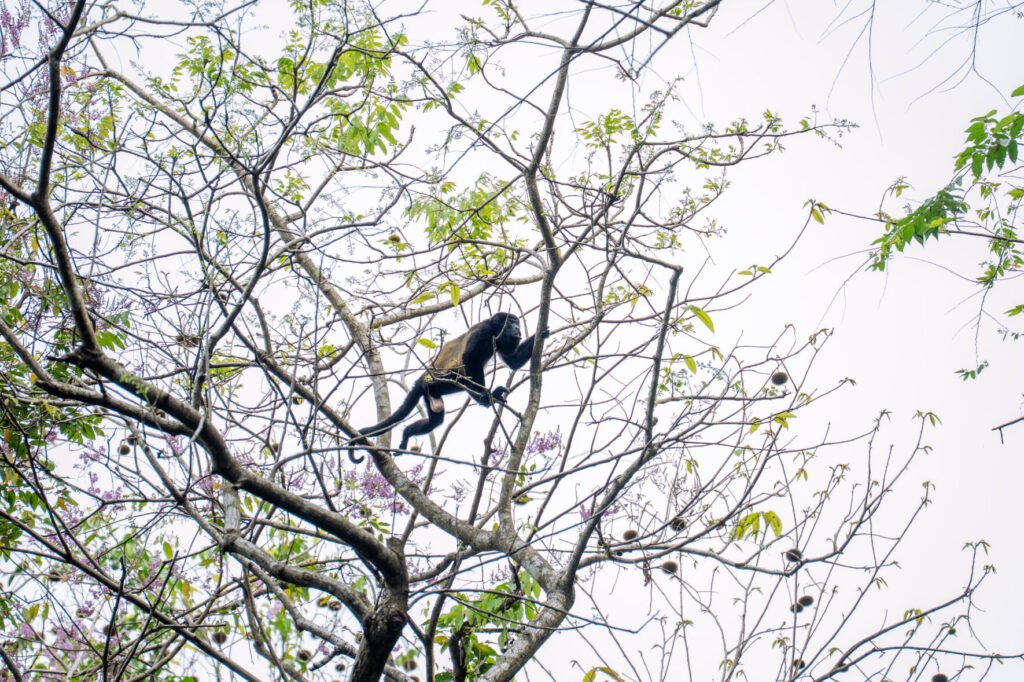
Howler Monkey
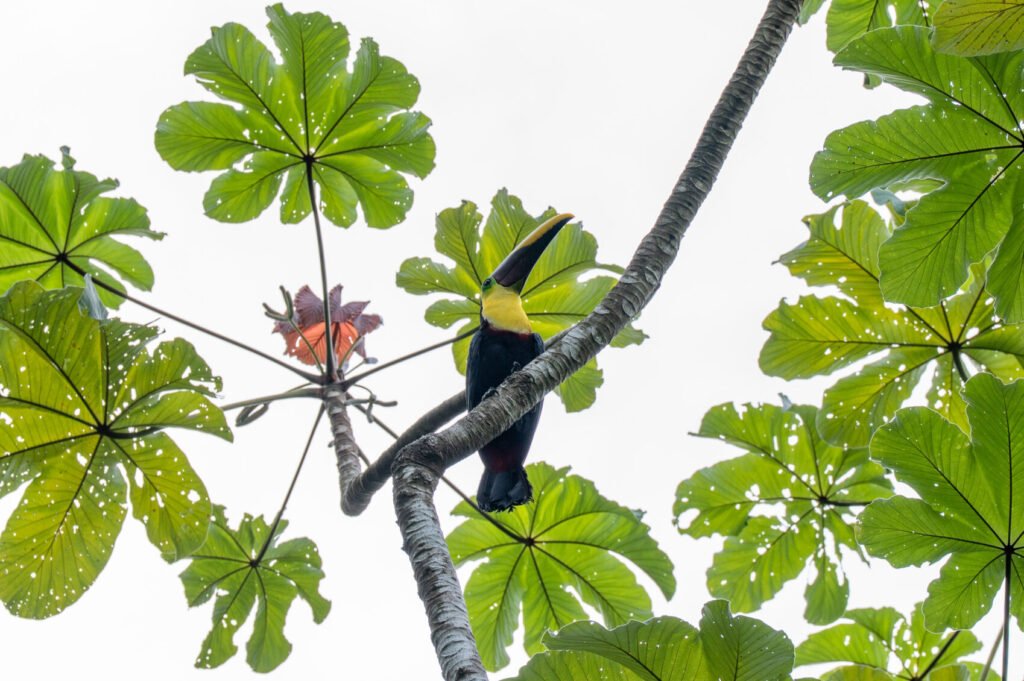
Yellow throated toucan
Uvita - 2 nights
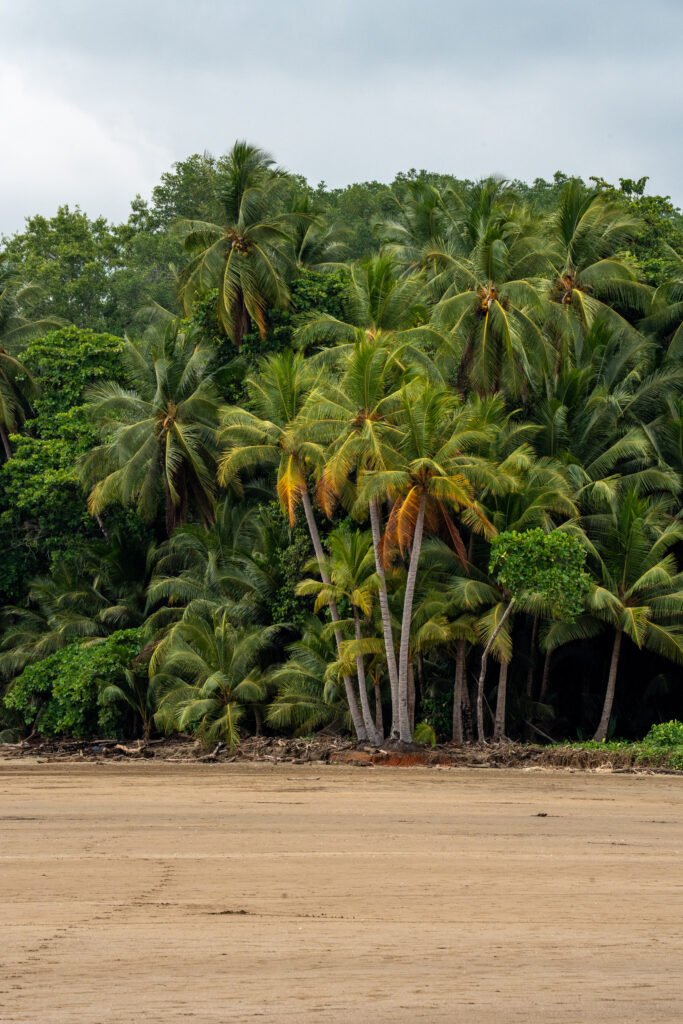
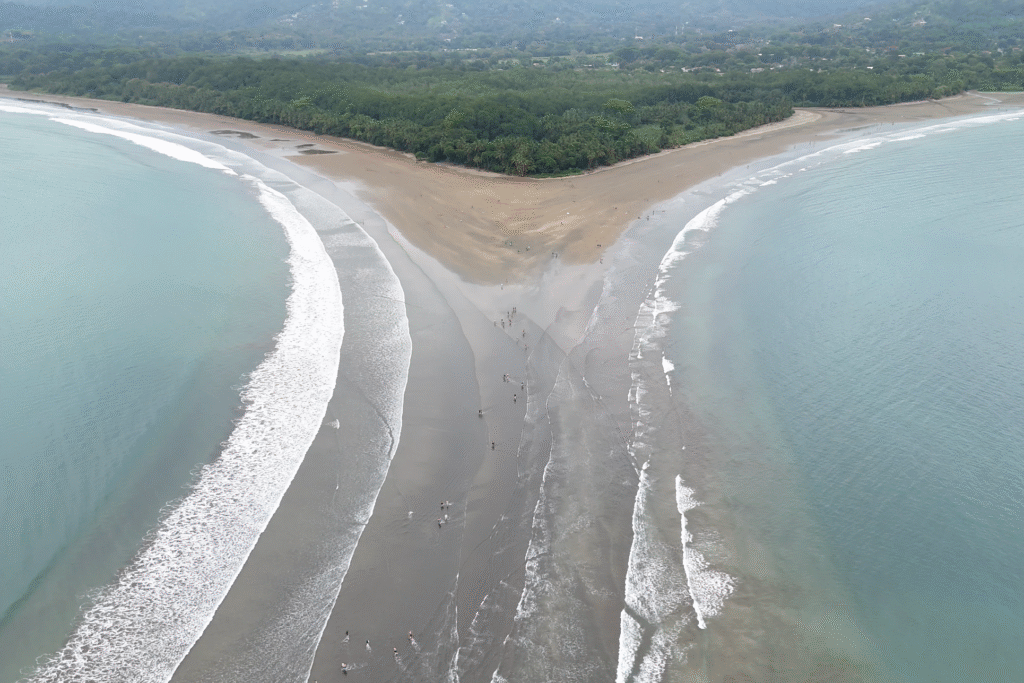
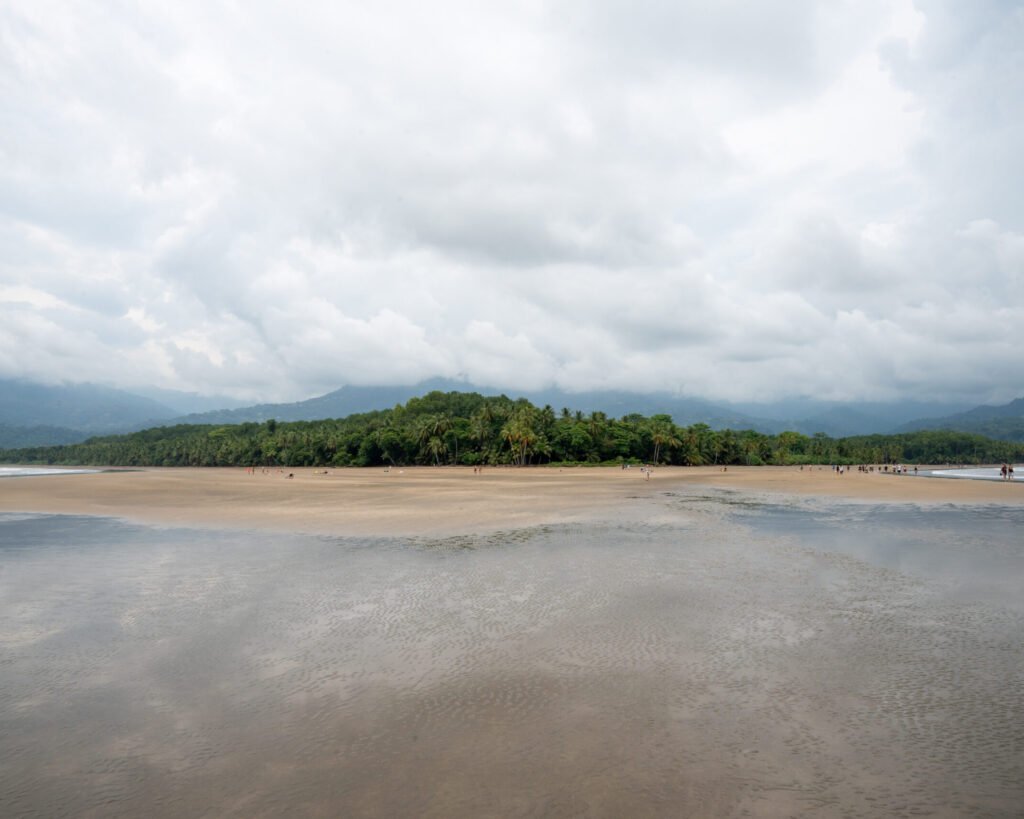
Uvita is known for its iconic whale tail-shaped beach that appears during low tide. It’s part of Marino Ballena National Park, where the rainforest meets the ocean in a truly unique setting.
What to Do:
Take a boat tour to spot whales and dolphins (best time: December–March and July–mid-November).
Explore Marino Ballena National Park. The beach is incredible, and you can walk out on the “tail” during low tide.
Visit nearby waterfalls:
Cataratas Nauyaca – On the drive from Manuel Antonio to Uvita. A great spot to stretch your legs.
Cascada El Pavón – A bit farther out, but worth the trip.
Catarata Uvita – A more inland, yet very popular waterfall.
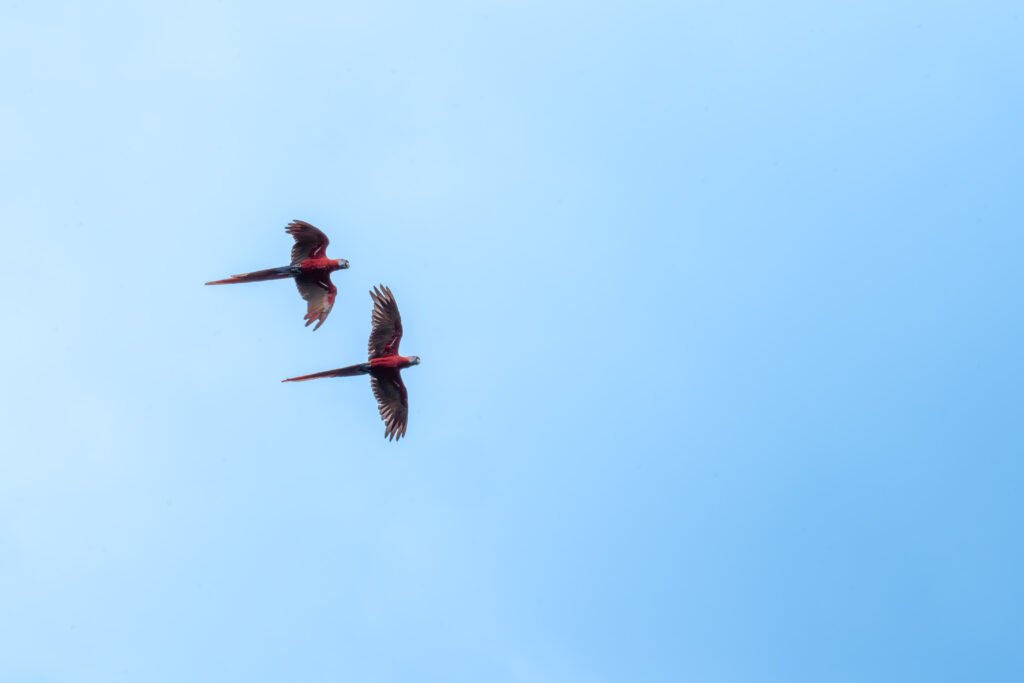
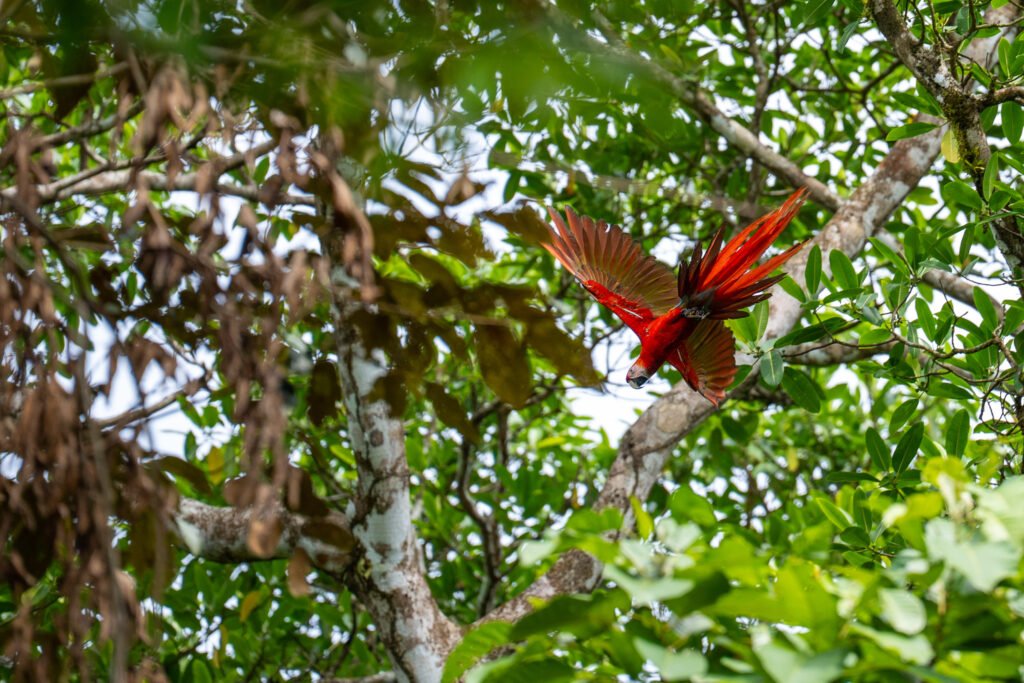
Macaws at Whale Tail Beach
Whale Tail Beach
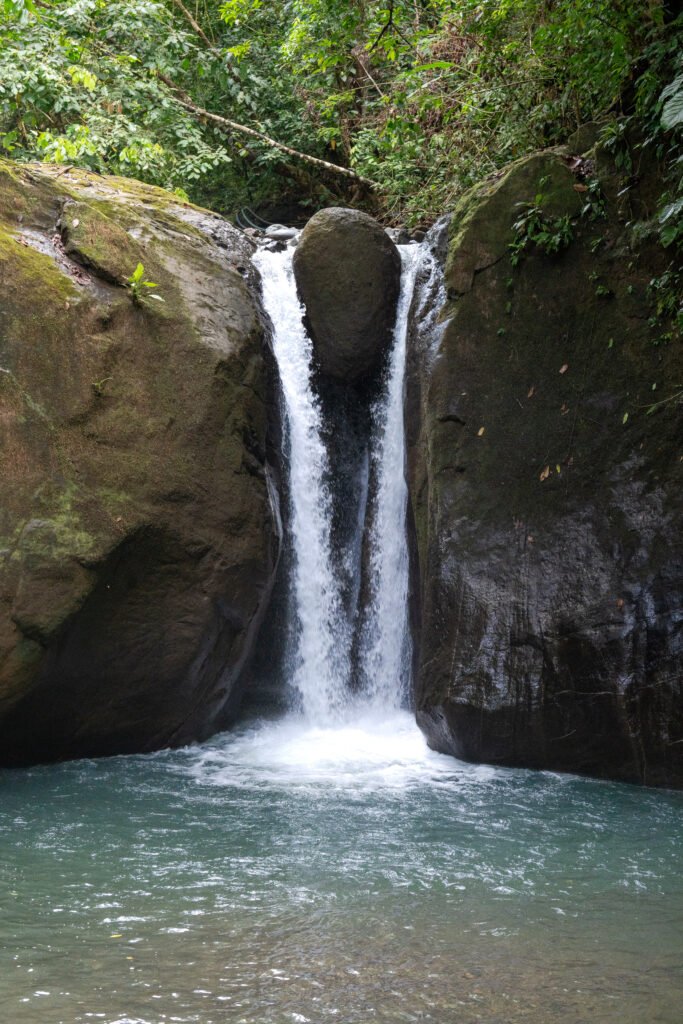
Cascada El Pavón
Whale Tail Beach
Where to Stay:
Flutterby House – Hostel with a fun, relaxed vibe. Walking distance to the beach and yes — you can even stay in a treehouse.
Cascada Verde Eco Lodge – A bit inland (10-minute drive from the beach), but close to a waterfall and restaurants.
Ballena Oasis Homes & Glamping – Perfect if you want your own space without blowing the budget. They offer individual tents, and it’s walking distance to the beach.
Where to Eat:
The Bakery CR – We went here every morning. The food was great and it had cozy vibes.
Zaika Indian Cuisine – We went both nights in Uvita because it was that good. Outdoor seating and super flavorful dishes.
Fernando’s Restaurante – Ideal for a beach-day lunch. I highly recommend trying the ceviche!
Things to Know:
Only walk down the whale tail at low tide. The tide can come back fast — you don’t want to be stuck on the wrong end!
The beach can have rip currents,
so don’t swim out too far. If caught, swim parallel to shore instead of straight back in.
Things to Know:
Only walk down the whale tail at low tide. The tide can come back fast — you don’t want to be stuck on the wrong end!
The beach can have rip currents, so don’t swim out too far. If caught, swim parallel to shore instead of straight back in.
Corcovado National Park- 3 nights
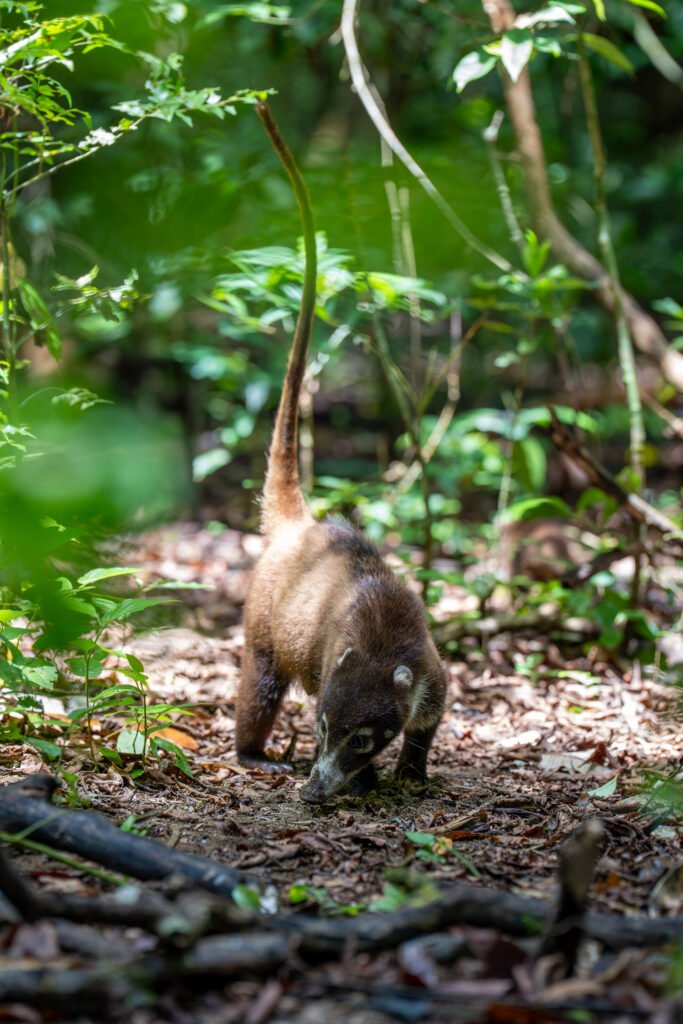
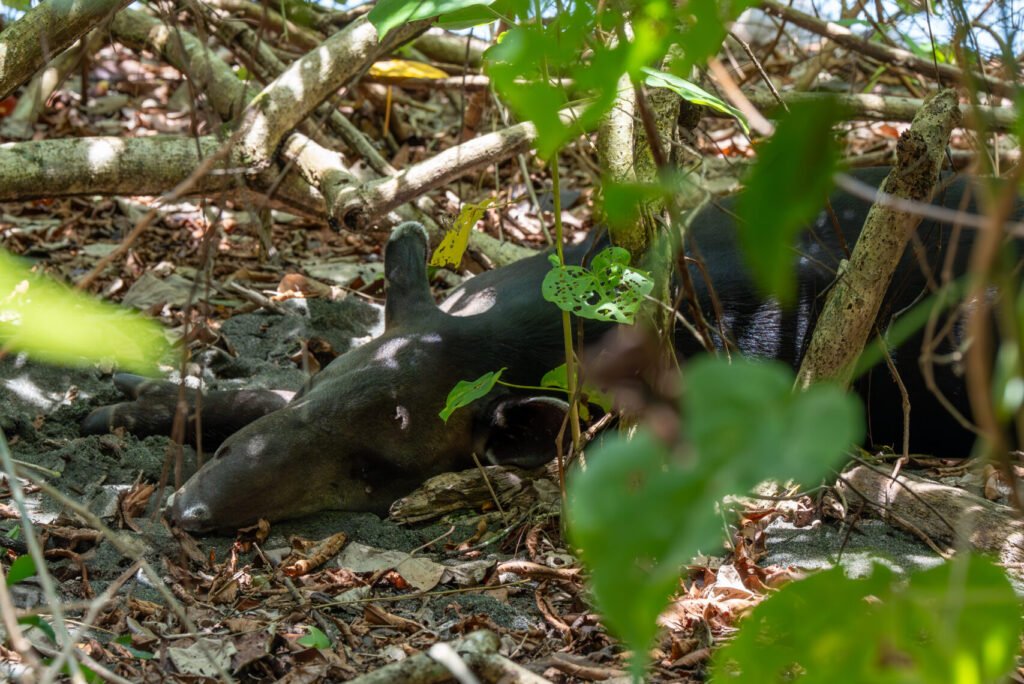
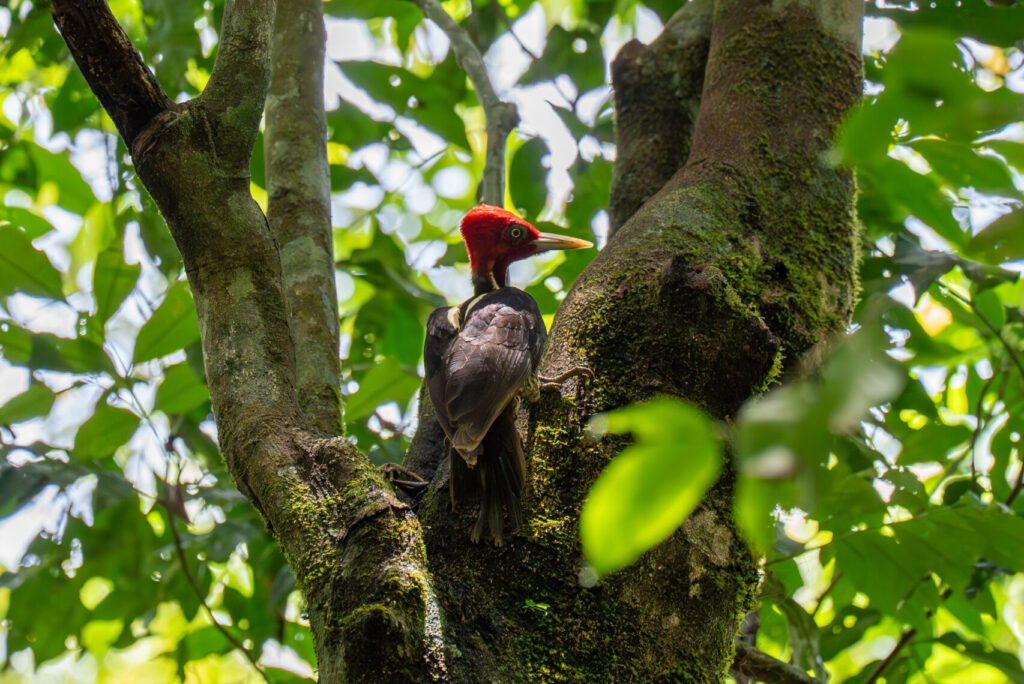
Corcovado is one of the most untouched, remote places you can visit in Costa Rica. The biodiversity here is insane — it’s considered one of the most biologically intense places on Earth. We saw monkeys, coatis, a tapir, an anteater, bats, and countless birds.
You can’t stay inside the park unless you splurge, so most people base themselves in Drake Bay. If you’re interested in staying in the park you’ll have to book a tour and can choose to stay either one night or two.
How to Get There:
Drive (from Uvita): About 3 hours. You’ll need a 4×4 with high clearance — the road isn’t fully paved and includes river crossings.
Sierpe
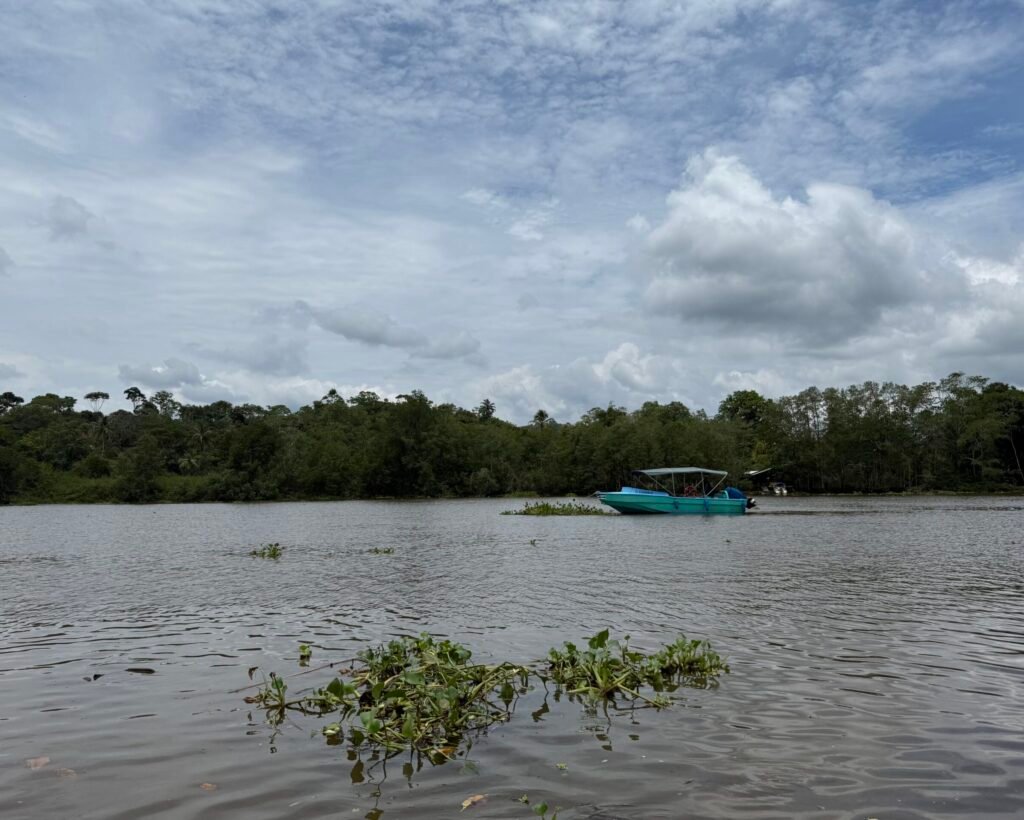
Boat from Sierpe: This is the option we took. It’s $30 per person each way and you’ll have to pay for parking. You’ll park in Sierpe and ride down the river and through the Sierpe wetlands — honestly, that part is an experience in itself.
How to Get There:
Drive (from Uvita): About 3 hours. You’ll need a 4×4 with high clearance — the road isn’t fully paved and includes river crossings.
Boat from Sierpe: This is the option we took. It’s $30 per person each way and you’ll have to pay for parking. You’ll park in Sierpe and ride down the river and through the Sierpe wetlands — honestly, that part is an experience in itself.
Sierpe
From Drake Bay, book your park tour in advance. The guide will pick you up and it’s about an hour to the park entrance by boat.
What to Do:
Corcovado National Park is the main attraction — it’s all about the wildlife.
Whale and dolphin tours are also available. On our way to the park, our boat even made a detour because someone spotted whales!
Scuba diving – I didn’t get a chance to try this, but I’ve heard amazing things.
Snorkeling tours often go to Caño Island, which has incredible marine life.
Bioluminescent tours – Drake Bay is known for its phytoplankton. Go out at night and watch the water light up!
Corcovado National Park is the main attraction — it’s all about the wildlife.
Whale and dolphin tours are also available. On our way to the park, our boat even made a detour because someone spotted whales!
Scuba diving – I didn’t get a chance to try this, but I’ve heard amazing things.
Snorkeling tours often go to Caño Island, which has incredible marine life.
Bioluminescent tours – Drake Bay is known for its phytoplankton. Go out at night and watch the water light up!
Things to Know:
The park only allows a limited number of visitors per day, so book in advance!
No plastic, trash, or snacks allowed inside. Respect the wildlife and keep the park as pristine as you found it.
Things to Know:
The park only allows a limited number of visitors per day, so book in advance!
No plastic, trash, or snacks allowed inside. Respect the wildlife and keep the park as pristine as you found it.
Cerro de la Muerte - 2 nights
Don’t let the name scare you — Cerro de la Muerte (literally “Death Mountain”) is one of the most magical cloud forests in Costa Rica. It’s quieter and less touristy than Monteverde, and the wildlife feels more untouched.
What to Do:
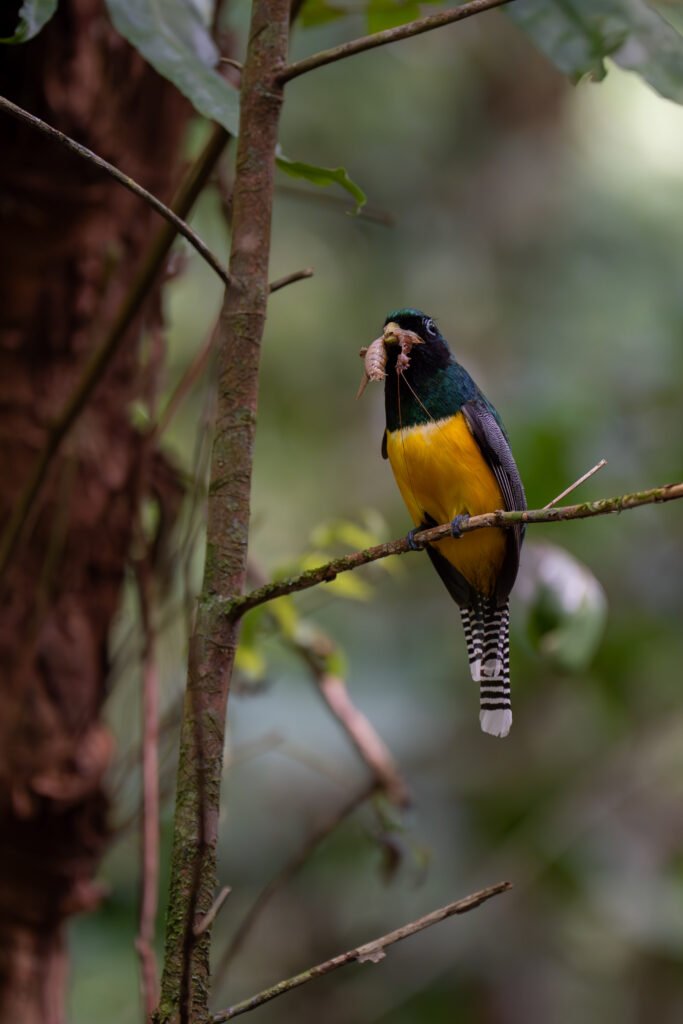
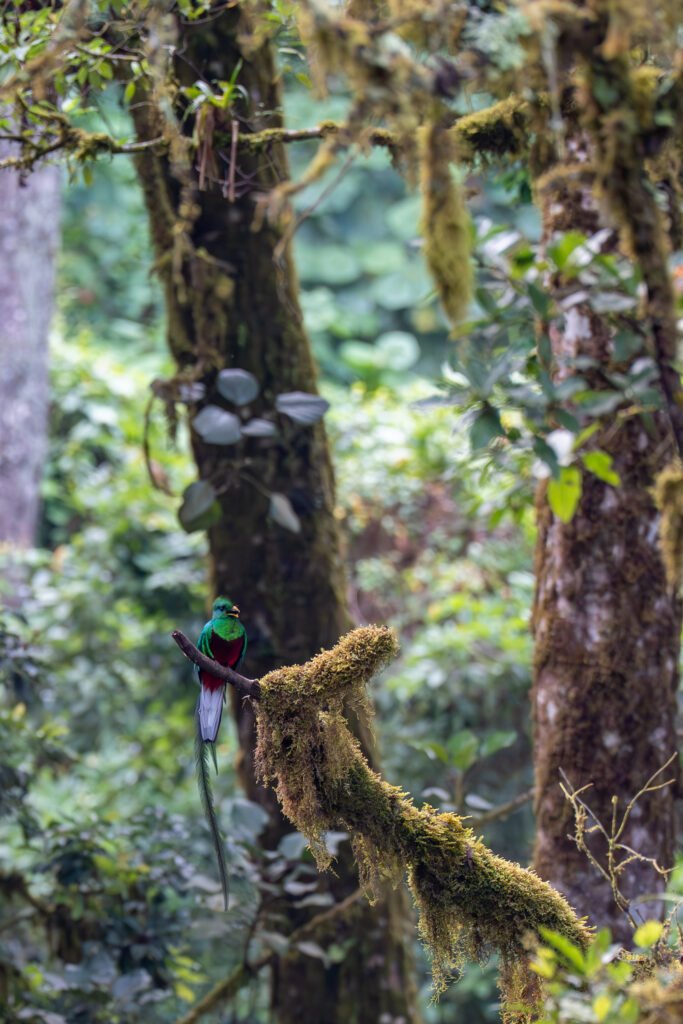
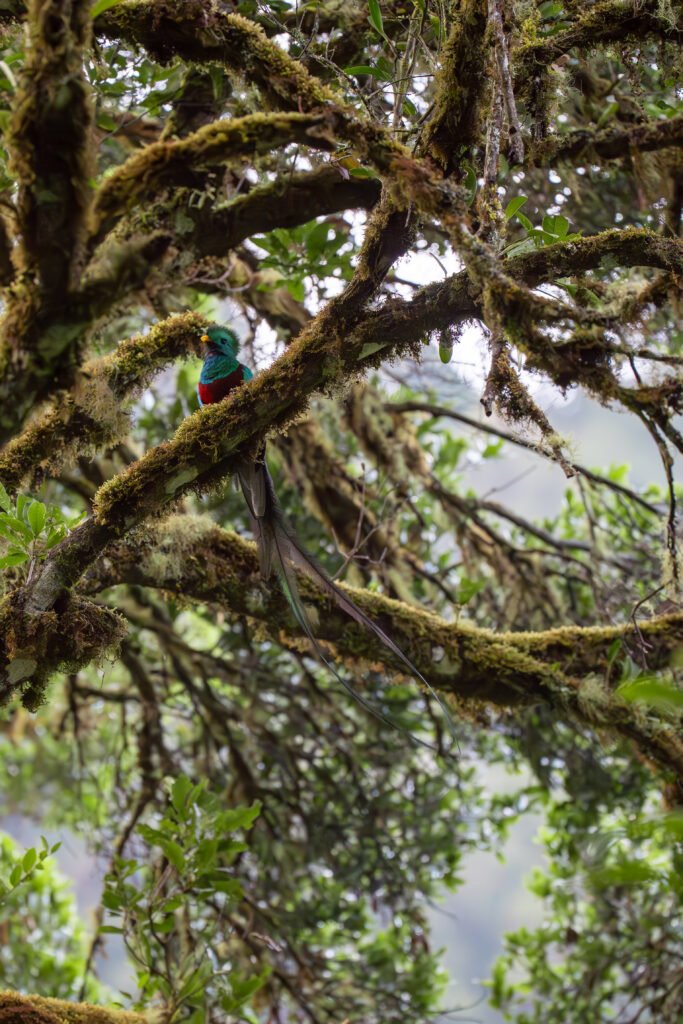
This is a great area for hiking and birdwatching, especially if you’re into spotting the elusive quetzal.
Los Quetzales National Park is located here — though we didn’t go in, we hiked other nearby trails.
If seeing a quetzal is on your list, hire a guide — we saw three thanks to ours.
Quetzal
Quetzal
Where to Stay:
No hostels here, and the lodging leans toward the cozy cabin side.
Quetzal Valley Cabins – Most affordable option in San Gerardo de Dota. Recommended for solo travelers.
Miriam’s Quetzaly Lodge – This is where we stayed. Super cozy cabins, each with a fireplace and kitchen — perfect for chilly nights.
Where to Eat:
Miriam’s Quetzals – A great spot for typical meals. While waiting, you can watch dozens of hummingbirds buzzing around the feeders — it was a highlight for me!
Humming bird at Miriam's Quetzals
Things to Know:
Even though it’s just a few hours from the coast, it gets cold at night. Bring layers.
The drive is steep, so having a 4WD vehicle is a good idea.
Where to Eat:
Miriam’s Quetzals – A great spot for typical meals. While waiting, you can watch dozens of hummingbirds buzzing around the feeders — it was a highlight for me!
Things to Know:
Even though it’s just a few hours from the coast, it gets cold at night. Bring layers.
The drive is steep, so having a 4WD vehicle is a good idea.
Humming bird at Miriam's Quetzals
Final Tips
Rent a car: Many of these places are remote and public transportation won’t get you there. A 4WD is often necessary.
Bring layers and rain gear: The weather in Costa Rica can be unpredictable — even in dry season, rain happens, and it can get cold in the mountains.
Respect the environment: Costa Rica takes conservation seriously. Don’t feed animals, litter, or go off marked trails. Leave it as you found it.
Scroll to Top
Newsletter
Subscribe to receive new blog posts straight to your inbox!